The Ultimate Protein Shake Recipe
Ingredients, Benefits, and Why It Works
Protein shakes are no longer limited to gyms or professional athletes. Today, they are part of everyday nutrition for busy professionals, students, health-conscious consumers, and even people looking for a convenient breakfast option. As lifestyles become faster and nutrition awareness grows, protein shakes have turned into one of the most versatile and trending functional beverages worldwide.
This article explores one attractive and market-ready protein shake recipe, explains why each ingredient matters, and highlights the real nutritional and functional benefits behind it. Whether you are a consumer, a café owner, or a food brand developer, understanding how a protein shake works can help you make smarter choices.
Why Protein Shakes Are Trending
Over the last decade, the demand for high-protein beverages has increased significantly. This trend is driven by several factors. First, people are more aware of the importance of protein for muscle health, metabolism, and satiety. Second, modern consumers prefer convenient nutrition that fits into a busy lifestyle. Finally, protein shakes can be easily customized to match different goals, such as weight management, energy support, or recovery after exercise.
In addition, social media has played a major role. Fitness influencers, nutritionists, and lifestyle bloggers constantly share shake recipes that look appealing and promise functional benefits. As a result, protein shakes are no longer seen as boring or medicinal. Instead, they are perceived as tasty, trendy, and functional.
A High-Protein Creamy Vanilla Shake (Recipe)
This recipe is designed to be balanced, simple, and scalable, meaning it can be prepared at home or adapted for commercial use.
Core Ingredients
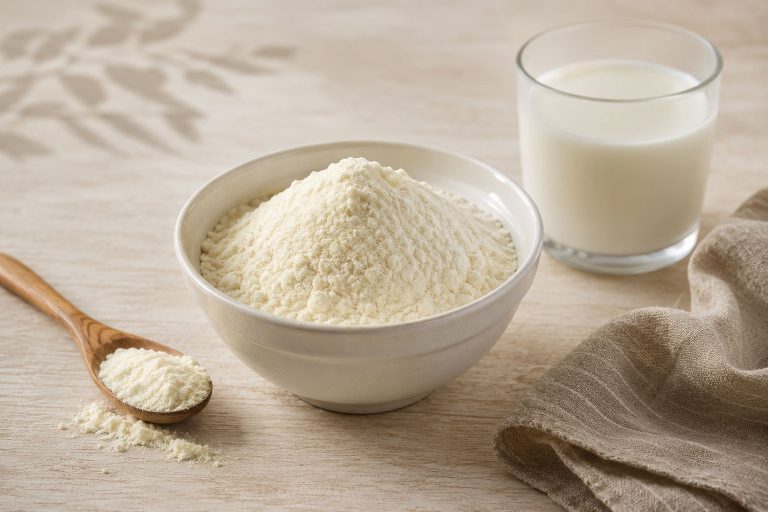
- 250 ml cold milk or reconstituted milk powder
- 25–30 g whey protein concentrate (WPC) or milk protein concentrate (MPC)
- 1 medium banana
- 1 tablespoon natural peanut butter or almond butter
- 1 teaspoon honey or date syrup
- 3–4 ice cubes
- Optional: a pinch of cinnamon or vanilla extract
Step-by-Step Preparation
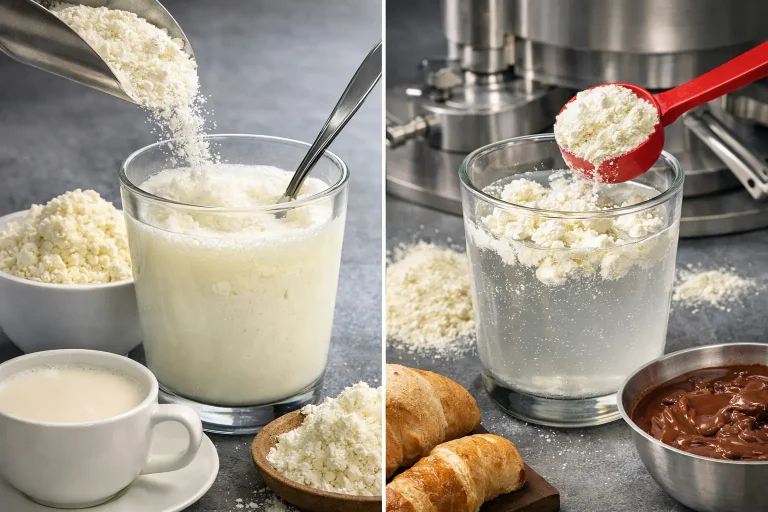
Start by adding the liquid base to the blender. This helps prevent powder clumping and ensures a smooth texture. Next, add the protein powder slowly while blending at low speed. Then, include the banana, nut butter, and sweetener. Finally, add ice cubes and blend at high speed for 30–45 seconds until the shake becomes creamy and uniform.
The result is a smooth, slightly thick protein shake with a natural sweetness and rich mouthfeel. More importantly, it delivers both nutritional value and sensory satisfaction.
Why Each Ingredient Matters
Milk or Milk Powder Base
Milk is not just a carrier liquid. It provides high-quality dairy proteins, calcium, and lactose, which supports energy and taste balance. Using milk powder instead of fresh milk offers flexibility, longer shelf life, and easier storage. From an industrial perspective, milk powder also allows consistent formulation and cost control.
Whey Protein Concentrate (WPC) or Milk Protein Concentrate (MPC)
The protein source is the heart of any protein shake. WPC is known for its fast digestibility and high biological value, making it ideal for post-exercise or quick protein intake. MPC, on the other hand, offers a slower digestion profile due to its casein content, which supports prolonged satiety.
Choosing between WPC and MPC depends on the target consumer. However, both contribute excellent functional properties such as emulsification and mouthfeel.
Banana
Bananas provide natural sweetness, potassium, and carbohydrates. They help improve texture while reducing the need for artificial sweeteners. In addition, bananas support energy replenishment and digestive comfort.
Nut Butter
Nut butters contribute healthy fats, flavor depth, and creaminess. They also slow down digestion slightly, which helps maintain fullness for a longer time. From a sensory perspective, nut butter enhances mouthfeel and makes the shake feel more indulgent.
Natural Sweeteners
Honey or date syrup provides mild sweetness while keeping the ingredient list clean. Consumers increasingly prefer recognizable, natural ingredients over artificial sweeteners.
Nutritional Benefits of This Protein Shake
High-Quality Protein Intake
This shake delivers approximately 25–35 grams of protein, depending on formulation. Dairy proteins contain all essential amino acids, making them ideal for muscle maintenance, tissue repair, and metabolic health.
Balanced Energy Release
Because the shake includes carbohydrates, fats, and proteins, it provides sustained energy rather than a quick spike. Therefore, it is suitable for breakfast, post-workout recovery, or even as a meal replacement in busy schedules.
Satiety and Weight Management
Protein and fats work together to promote fullness. As a result, this shake can help reduce unnecessary snacking and support weight management goals when used properly.
Digestibility and Comfort
Dairy proteins are well-studied and widely accepted. When properly formulated, they offer good digestibility and low gastrointestinal discomfort for most consumers.
Why This Recipe Works for Brands and Cafés
From a commercial point of view, this protein shake is attractive for several reasons. First, the ingredients are widely available and cost-effective. Second, the recipe can be easily adjusted for different markets, such as low-sugar, high-protein, or plant-blend variations. Third, it aligns well with current clean-label and functional food trends.
Additionally, this recipe can be marketed under multiple angles: fitness nutrition, healthy lifestyle, on-the-go breakfast, or even premium café beverages.
Customization Options
One of the strongest advantages of protein shakes is flexibility. For example, oats can be added to increase fiber content. Cocoa powder can turn the shake into a chocolate version. Coffee or espresso can transform it into a protein coffee drink. These variations allow brands to build a full product line based on one core formulation.
Protein Shakes and Consumer Trust
Modern consumers are not only looking for taste. They care about transparency, ingredient quality, and nutritional value. Using well-known dairy ingredients such as milk powder, WPC, or MPC helps build trust. Moreover, clear labeling and simple recipes improve brand credibility.
Educational content around protein shakes also plays a key role. When brands explain why ingredients are used and how they work, consumers feel more confident and loyal.
Final Thoughts
Protein shakes are more than a trend. They represent a shift toward functional, convenient, and enjoyable nutrition. This recipe demonstrates how simple dairy ingredients can be transformed into a powerful, market-ready product that meets modern expectations.
Whether you are developing content, launching a new product, or simply educating your audience, focusing on real functionality, clean ingredients, and practical benefits is the key to success. A well-designed protein shake is not just a drink—it is a smart nutritional solution for today’s lifestyle.