Milk Protein Concentrate (MPC): Complete Guide to Production, Specifications, Nutrition and Applications
Introduction
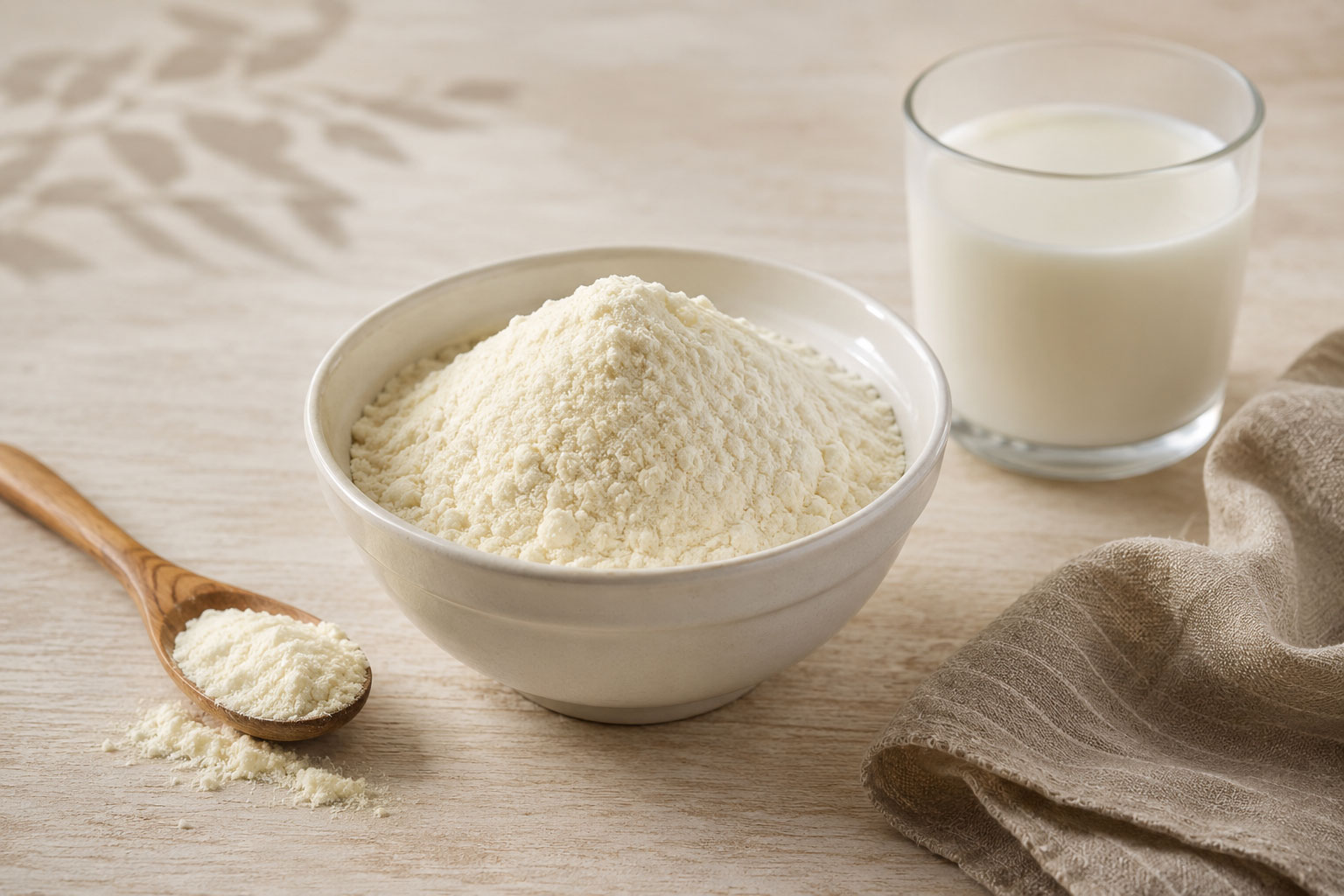
Milk Protein Concentrate (MPC) is one of the most important dairy protein ingredients used by food manufacturers around the world. With increasing consumer demand for high-protein foods, functional nutrition products, and healthier dairy solutions, MPC powder has become a valuable ingredient for manufacturers seeking to improve nutritional value, texture, and functionality in their products.
Milk Protein Concentrate is produced from skim milk through advanced membrane filtration technologies that concentrate the natural milk proteins while maintaining the original balance between casein and whey proteins. Unlike many other protein ingredients, MPC provides a complete milk protein profile, making it suitable for a wide range of food and beverage applications.
Today, MPC is widely used in the production of:
- Cheese and processed cheese products
- Yogurt and fermented dairy products
- High-protein beverages
- Sports nutrition products
- Infant and clinical nutrition
- Ice cream and desserts
- Bakery and confectionery products
- Functional foods
Due to its excellent nutritional profile, clean dairy taste, and functional properties, Milk Protein Concentrate has become a strategic ingredient for dairy manufacturers, food producers, and international food companies.
This comprehensive guide explains:
- What Milk Protein Concentrate (MPC) is
- How MPC powder is produced
- Different MPC grades and protein levels
- Nutritional composition and specifications
- Applications in the food industry
- Benefits of using MPC in product formulations
What is Milk Protein Concentrate (MPC)?
Milk Protein Concentrate (MPC) is a high-quality dairy protein ingredient produced from skim milk by removing water, lactose, and some minerals while concentrating the natural milk proteins.
The main characteristic of MPC is that it preserves the natural ratio of milk proteins:
- Approximately 80% casein
- Approximately 20% whey proteins
This unique protein structure differentiates MPC from other dairy protein ingredients such as Whey Protein Concentrate (WPC), which mainly contains whey proteins.
Depending on the protein concentration, MPC products are available in different grades, typically ranging from MPC42 to MPC85.
The number represents the approximate protein percentage in the final powder:
| MPC Grade | Protein Content |
|---|---|
| MPC42 | Approximately 42% protein |
| MPC56 | Approximately 56% protein |
| MPC70 | Approximately 70% protein |
| MPC80 | Approximately 80% protein |
| MPC85 | Approximately 85% protein |
Higher protein MPC grades contain less lactose and are commonly used in high-protein food applications.
Why is Milk Protein Concentrate Important?
The global demand for protein-enriched foods has significantly increased in recent years. Consumers are looking for products that provide higher nutritional value, better satiety, and functional health benefits.
Milk Protein Concentrate helps manufacturers achieve these goals by providing:
High-quality complete protein
MPC contains all essential amino acids required by the human body, making it a highly valuable protein source.
Natural dairy functionality
Because MPC maintains the natural structure of milk proteins, it provides excellent functional properties such as:
- Water-binding capacity
- Texture improvement
- Emulsification
- Protein enrichment
- Improved mouthfeel
Clean-label ingredient
Many manufacturers prefer MPC because it is derived from natural milk and does not require artificial protein modification.
How is Milk Protein Concentrate Produced?
The production of MPC powder involves advanced dairy processing technologies designed to concentrate milk proteins while maintaining their functional properties.
The main production stages include:
1. Raw Milk Selection and Quality Control
The process begins with high-quality fresh milk.
Before production, milk is tested for:
- Protein content
- Fat level
- Microbiological quality
- Acidity
- Safety parameters
High-quality raw milk is essential for producing consistent and reliable MPC powder.
2. Skimming and Fat Separation
Fresh milk is processed through centrifugal separation to remove milk fat.
The result is skim milk, which contains:
- Milk proteins
- Lactose
- Minerals
- Water
Skim milk becomes the main raw material for MPC production.
3. Ultrafiltration (UF)
Ultrafiltration is the key technology used in MPC manufacturing.
During ultrafiltration, skim milk passes through specialized membranes that separate components based on molecular size.
The membrane allows smaller molecules such as:
- Water
- Lactose
- Some minerals
to pass through, while retaining larger protein molecules.
This process increases the concentration of milk proteins.
4. Diafiltration
For higher protein MPC grades, diafiltration is used.
During this stage, additional water is added and filtered again to further remove lactose and minerals.
This allows manufacturers to produce high-protein MPC grades such as:
- MPC70
- MPC80
- MPC85
5. Evaporation and Concentration
The concentrated milk protein solution is further processed to remove additional moisture before drying.
This step improves drying efficiency and helps achieve the desired powder characteristics.
6. Spray Drying
The final production stage is spray drying.
The concentrated liquid is sprayed into a hot-air drying chamber, where moisture evaporates rapidly.
The result is a fine, stable dairy protein powder with:
- Long shelf life
- Excellent storage stability
- Consistent quality
- Easy transportation
Technical Specifications of Milk Protein Concentrate Powder
The exact specifications depend on the MPC grade and manufacturer, but typical characteristics include:
| Parameter | Typical Range |
|---|---|
| Protein | 42% – 85% |
| Fat | ≤ 2% |
| Moisture | ≤ 5% |
| Lactose | Varies by grade |
| Ash | Approximately 6–9% |
| Color | White to creamy white |
| Flavor | Clean dairy flavor |
| Solubility | Good |
| Shelf Life | Up to 24 months under proper storage conditions |
A complete technical specification sheet (TDS) and Certificate of Analysis (COA) should always be provided for industrial purchasing decisions.
Nutritional Value of Milk Protein Concentrate
Milk Protein Concentrate is considered a premium dairy protein ingredient because it combines high nutritional value with excellent functional performance.
The main nutritional benefits include:
Complete Milk Protein Source
MPC contains both:
- Casein protein
- Whey protein
This provides a balanced amino acid profile similar to natural milk.
Essential Amino Acids
Milk proteins are rich in essential amino acids, including:
- Leucine
- Isoleucine
- Valine
- Lysine
These amino acids are important for muscle protein synthesis and overall nutritional quality.
Calcium and Mineral Content
Because MPC is derived from milk, it naturally contains important minerals such as:
- Calcium
- Phosphorus
These contribute to its nutritional value.
High Protein Density
Compared with traditional milk powders, high-protein MPC grades provide significantly higher protein concentration, making them ideal for:
- Protein beverages
- Nutrition products
- Functional dairy foods
- Sports nutrition formulations
Key Advantages of Milk Protein Concentrate
The growing popularity of MPC among food manufacturers is due to its combination of nutritional and functional benefits.
Main advantages include:
- High-quality dairy protein
- Natural milk protein structure
- Excellent functionality
- Improved texture and stability
- Neutral dairy taste
- Protein enrichment capability
- Suitable for clean-label products
- Wide range of applications
Conclusion
Milk Protein Concentrate (MPC) has become one of the most valuable dairy protein ingredients in the global food industry. Through advanced membrane filtration and spray drying technologies, MPC provides manufacturers with a versatile ingredient that combines high nutritional value, excellent functionality, and natural dairy characteristics.
From MPC42 to MPC85, different grades allow food producers to select the right protein concentration for their specific applications, whether in dairy products, beverages, sports nutrition, or functional foods.
For companies looking for reliable dairy ingredient solutions, choosing a trusted MPC supplier with strong quality control, technical expertise, and export capability is essential.
Shahdoosh (Tejarat Chavosh Arian) supplies high-quality dairy ingredients for food manufacturers and international markets, supporting businesses with reliable products, technical information, and professional export solutions.
Types of Milk Protein Concentrate (MPC), Applications, Benefits and Comparison with WPC, MPI and SMP
Types of Milk Protein Concentrate (MPC)
Milk Protein Concentrate (MPC) is available in different grades depending on the protein concentration and the intended application. The main difference between MPC grades is the percentage of milk protein, which directly affects nutritional value, lactose content, functionality, and suitability for different food formulations.
Selecting the right MPC grade is an important decision for dairy manufacturers and food companies because each grade provides different processing advantages.
The most common commercial MPC grades include:
- MPC42
- MPC56
- MPC70
- MPC80
- MPC85
MPC42: Balanced Milk Protein Ingredient
MPC42 contains approximately 42% milk protein and is one of the most economical MPC grades available.
It provides the functional benefits of milk proteins while maintaining a balanced composition of protein, lactose, and minerals.
Due to its cost efficiency, MPC42 is widely used in applications where moderate protein enrichment and improved dairy functionality are required.
Applications of MPC42:
- Yogurt production
- Cheese manufacturing
- Dairy beverages
- Ice cream
- Bakery products
- Processed foods
- Dairy-based desserts
Benefits of MPC42:
- Cost-effective protein enrichment
- Improves texture and consistency
- Enhances nutritional value
- Provides natural dairy functionality
MPC56: Intermediate Protein Concentrate
MPC56 contains approximately 56% protein and provides a higher protein concentration compared with MPC42.
It is commonly selected by manufacturers looking for a balance between protein content, functionality, and production cost.
Applications:
- High-protein dairy products
- Yogurt and fermented dairy products
- Cheese formulations
- Nutritional foods
- Dairy beverages
MPC56 provides improved protein levels while maintaining good solubility and processing performance.
MPC70: High Protein Milk Ingredient
MPC70 is a high-protein dairy ingredient containing approximately 70% milk protein.
It is widely used in functional foods and nutritional products where increased protein content is required.
Compared with lower MPC grades, MPC70 contains less lactose and provides a higher concentration of valuable milk proteins.
Key advantages of MPC70:
- High protein concentration
- Excellent amino acid profile
- Reduced lactose content
- Good water-binding capacity
- Improved nutritional performance
Applications of MPC70:
- Protein-enriched yogurt
- Sports nutrition products
- Protein beverages
- Functional foods
- Nutritional powders
- Meal replacement products
MPC80: Premium Milk Protein Concentrate
MPC80 is one of the most demanded grades in the global dairy ingredients market.
With approximately 80% protein content, MPC80 is considered a premium dairy protein ingredient for manufacturers requiring high-quality protein enrichment and excellent functionality.
Why is MPC80 widely used?
MPC80 provides:
- Complete milk protein profile
- High nutritional value
- Excellent amino acid composition
- Natural dairy flavor
- Good emulsification properties
- Improved texture and mouthfeel
Main applications of MPC80:
- High-protein beverages
- Sports nutrition products
- Protein bars
- Functional foods
- Clinical nutrition
- Premium dairy products
- Nutritional supplements
Due to increasing global demand for high-protein products, MPC80 powder has become one of the most important dairy protein ingredients in international trade.
MPC85: High Purity Milk Protein Ingredient
MPC85 contains approximately 85% protein and is designed for specialized applications requiring very high protein concentration.
It provides excellent nutritional density while maintaining the natural characteristics of milk proteins.
Applications:
- Specialized nutrition
- High-protein formulations
- Medical nutrition products
- Premium functional foods
When the protein concentration reaches approximately 90% or higher, the product is generally classified as Milk Protein Isolate (MPI).
Applications of Milk Protein Concentrate in the Food Industry
Milk Protein Concentrate has become an essential ingredient for food manufacturers because it provides both nutritional benefits and functional properties.
Unlike simple protein powders, MPC improves not only protein content but also product quality, texture, stability, and consumer experience.
1. Cheese Manufacturing
Cheese production is one of the largest applications of MPC.
MPC helps cheese manufacturers improve:
- Protein recovery
- Cheese yield
- Texture consistency
- Nutritional value
- Product stability
It is used in various cheese applications, including:
- Processed cheese
- Cheese analogues
- High-protein cheese products
2. Yogurt and Fermented Dairy Products
The demand for high-protein yogurt has increased significantly worldwide.
MPC is widely used in yogurt production because it improves:
- Protein content
- Creaminess
- Viscosity
- Texture
- Water retention
It is especially valuable in Greek-style yogurt and functional dairy products.
3. High-Protein Beverages
The global market for protein beverages continues to grow as consumers seek convenient nutrition solutions.
MPC is an ideal ingredient for these products because it provides:
- Complete milk protein
- Balanced amino acids
- Pleasant dairy taste
- Excellent nutritional value
Applications include:
- Ready-to-drink protein beverages
- Recovery drinks
- Meal replacement beverages
- Nutritional shakes
4. Sports Nutrition Products
Milk Protein Concentrate is increasingly used in sports nutrition because it combines both casein and whey proteins.
Compared with pure whey-based ingredients, MPC provides a more balanced milk protein profile.
Applications include:
- Protein powders
- Protein bars
- Recovery products
- Active lifestyle nutrition products
5. Ice Cream Manufacturing
In ice cream production, MPC improves both nutritional and physical properties.
Benefits include:
- Higher protein content
- Better body and texture
- Improved melting characteristics
- Reduced ice crystal formation
- Enhanced mouthfeel
6. Infant and Clinical Nutrition
High-quality dairy proteins are important ingredients in specialized nutrition products.
MPC may be used in:
- Infant nutrition formulations
- Elderly nutrition products
- Medical nutrition products
- Protein-enriched foods
The suitability depends on regulatory requirements and specific formulation needs.
7. Bakery and Confectionery Products
MPC is also used in bakery applications to improve nutritional value and product quality.
Applications include:
- Protein cookies
- Nutrition bars
- Baked snacks
- Specialty bakery products
Benefits include:
- Increased protein content
- Improved texture
- Better nutritional profile
8. Functional Foods
The growth of the health and wellness market has increased demand for functional food ingredients.
MPC is used in:
- High-protein snacks
- Fortified foods
- Meal replacement products
- Nutritional foods
Benefits of Using Milk Protein Concentrate
Milk Protein Concentrate offers several advantages for manufacturers looking to develop high-quality food products.
1. Complete High-Quality Protein
MPC contains both:
- Casein protein
- Whey protein
This provides a complete amino acid profile similar to natural milk.
2. Excellent Functional Properties
MPC improves important product characteristics, including:
- Texture
- Stability
- Water retention
- Creaminess
- Mouthfeel
3. Protein Enrichment
Manufacturers can increase protein content without significantly changing the natural flavor profile of their products.
This makes MPC ideal for:
- High-protein dairy products
- Functional foods
- Sports nutrition products
4. Natural Dairy Ingredient
Because MPC is produced from milk, it meets the growing demand for natural and clean-label ingredients.
5. Versatility Across Industries
A single ingredient can be used across multiple industries:
- Dairy
- Nutrition
- Beverage
- Bakery
- Food manufacturing
MPC vs WPC (Milk Protein Concentrate vs Whey Protein Concentrate)
One of the most common questions in the dairy ingredient industry is:
What is the difference between MPC and WPC?
Although both are dairy protein ingredients, their composition and applications are different.
| Feature | MPC | WPC |
|---|---|---|
| Source | Skim milk | Whey |
| Main proteins | Casein + Whey | Mainly whey protein |
| Natural milk protein ratio | Maintained | Not maintained |
| Protein structure | Complete milk protein | Whey-based protein |
| Main applications | Dairy foods, functional foods | Sports nutrition, beverages |
| Calcium content | Higher | Lower |
Choosing between MPC and WPC:
MPC is preferred when:
- Natural milk protein functionality is required
- Texture improvement is important
- Dairy applications are the main focus
WPC is preferred when:
- Fast protein absorption is desired
- Sports nutrition applications are targeted
MPC vs MPI (Milk Protein Concentrate vs Milk Protein Isolate)
Milk Protein Isolate (MPI) is a more concentrated form of milk protein.
| Feature | MPC | MPI |
|---|---|---|
| Protein content | 42–85% | Usually above 90% |
| Lactose level | Higher | Lower |
| Protein purity | High | Very high |
| Cost | More economical | Higher |
| Applications | General food production | Specialized nutrition |
MPI is mainly used when manufacturers require maximum protein concentration.
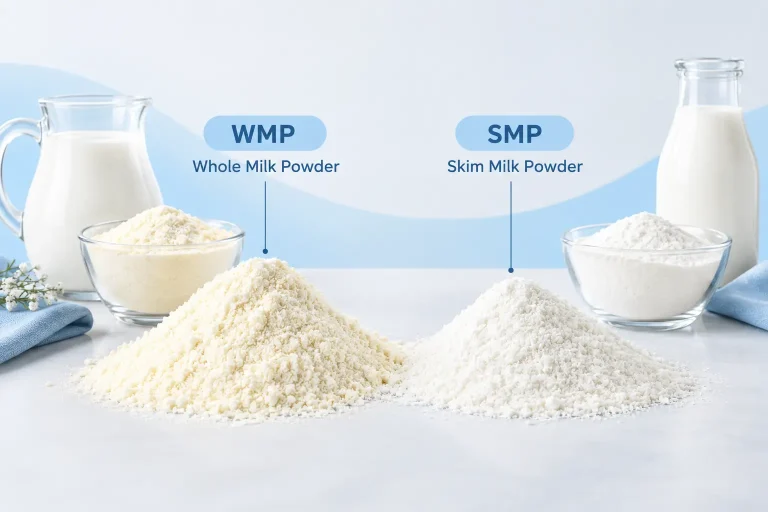
MPC vs SMP (Milk Protein Concentrate vs Skim Milk Powder)
Although MPC and SMP are both produced from skim milk, they have different nutritional and functional properties.
| Feature | MPC | SMP |
|---|---|---|
| Protein content | 42–85% | Approximately 34–36% |
| Protein concentration | High | Moderate |
| Lactose content | Lower | Higher |
| Main purpose | Protein enrichment | Milk powder replacement |
| Functional properties | Stronger | Standard dairy properties |
For products where protein enrichment and improved functionality are important, MPC is generally a more suitable choice than SMP.
MPC vs Casein
Casein is the main protein naturally found in milk.
| Feature | MPC | Casein |
|---|---|---|
| Protein composition | Casein + Whey | Mainly Casein |
| Natural milk profile | Yes | No whey fraction |
| Applications | Wide food applications | Specialized protein products |
| Functionality | Broad | More specific |
MPC provides a more complete representation of natural milk proteins compared with pure casein ingredients.
Quality Standards for Milk Protein Concentrate (MPC)
When sourcing Milk Protein Concentrate (MPC), quality should be the highest priority. Since MPC is widely used in dairy processing, nutritional products, and food manufacturing, it must consistently meet strict international quality and food safety standards.
Leading manufacturers produce MPC under controlled processing conditions to ensure consistent protein composition, excellent functionality, microbiological safety, and reliable product performance.
Choosing a supplier that follows internationally recognized quality management systems helps reduce production risks and ensures compliance with global food regulations.
Key Quality Parameters to Evaluate
Before purchasing Milk Protein Concentrate, manufacturers should carefully review the product’s Technical Data Sheet (TDS) and Certificate of Analysis (COA).
Important quality parameters include:
- Protein content
- Moisture content
- Fat content
- Lactose level
- Ash content
- pH
- Solubility
- Bulk density
- Particle size
- Color
- Flavor
- Microbiological specifications
Typical microbiological requirements include:
- Total Plate Count (TPC)
- Coliforms
- Yeast and Mold
- Escherichia coli (E. coli)
- Salmonella
- Listeria monocytogenes (where applicable)
International Certifications
Reliable Milk Protein Concentrate suppliers generally comply with internationally recognized food safety and quality standards, including:
- ISO 22000 – Food Safety Management System
- FSSC 22000
- HACCP
- GMP (Good Manufacturing Practices)
- Halal Certification
- Kosher Certification (when required)
- FDA Compliance (for applicable export markets)
Depending on the destination country, additional certifications or regulatory approvals may also be required.
Packaging and Storage of MPC Powder
Proper packaging and storage are essential to preserve the quality and functionality of Milk Protein Concentrate.
MPC powder is typically supplied in:
- 20 kg bags
- 25 kg multi-wall paper bags with polyethylene liners
- Bulk packaging for industrial customers
Recommended storage conditions include:
- Store in a cool, dry place.
- Protect from direct sunlight.
- Avoid exposure to moisture.
- Keep bags tightly sealed after opening.
- Store away from strong odors and chemicals.
Under recommended storage conditions, MPC generally has a shelf life of up to 24 months from the production date.
Exporting Milk Protein Concentrate
The global demand for high-protein dairy ingredients has grown significantly over the past decade.
Milk Protein Concentrate is now traded worldwide and is used by dairy manufacturers, food processors, nutritional companies, and ingredient distributors across numerous industries.
Major importing regions include:
- Middle East
- Southeast Asia
- Europe
- North America
- Latin America
- Africa
Because of its versatility and nutritional value, MPC has become one of the fastest-growing dairy protein ingredients in international trade.
Factors That Influence Export Quality
Successful international supply of MPC depends on several critical factors:
Consistent Product Quality
Industrial buyers expect every shipment to deliver identical performance and specifications.
Complete Technical Documentation
Professional exporters should provide:
- Technical Data Sheet (TDS)
- Certificate of Analysis (COA)
- Certificate of Origin
- Health Certificate (where required)
- Packing List
- Commercial Invoice
Export Packaging
Packaging should be designed to protect product quality during long-distance transportation and international shipping.
Regulatory Compliance
Every destination market may have different import regulations regarding dairy ingredients.
Working with an experienced exporter helps simplify the documentation and approval process.
How to Choose the Right Milk Protein Concentrate
Selecting the right MPC grade depends on your product formulation, processing conditions, and nutritional goals.
Below are several important considerations before purchasing.
1. Select the Appropriate Protein Level
Different applications require different protein concentrations.
For example:
- MPC42 for standard dairy applications
- MPC56 for moderate protein enrichment
- MPC70 for functional dairy products
- MPC80 for premium high-protein foods
- MPC85 for specialized nutrition
Choosing the correct grade helps optimize both performance and production costs.
2. Consider Your Final Product
The intended application significantly influences the ideal MPC grade.
Different formulations require different functional properties.
Examples include:
- Cheese
- Yogurt
- Ice cream
- Dairy beverages
- Sports nutrition
- Bakery products
- Clinical nutrition
3. Evaluate Functional Properties
Besides protein content, manufacturers should evaluate:
- Solubility
- Water-binding capacity
- Emulsification
- Heat stability
- Viscosity
- Flavor profile
These characteristics directly affect processing efficiency and final product quality.
4. Verify Quality Documentation
Always request:
- Technical Data Sheet (TDS)
- Certificate of Analysis (COA)
- Food safety certifications
These documents help verify that the ingredient meets your technical specifications.
5. Choose an Experienced Supplier
A professional supplier should provide:
- Consistent quality
- Technical support
- Reliable delivery
- Export experience
- Stable supply capacity
Long-term partnerships often reduce procurement risks and improve production efficiency.
Frequently Asked Questions (FAQ)
What is Milk Protein Concentrate (MPC)?
Milk Protein Concentrate (MPC) is a dairy protein ingredient produced from skim milk using membrane filtration technology. It contains concentrated milk proteins while preserving the natural casein-to-whey ratio.
What does MPC stand for?
MPC stands for Milk Protein Concentrate.
What is MPC powder used for?
MPC is widely used in:
- Cheese production
- Yogurt manufacturing
- Ice cream
- High-protein beverages
- Sports nutrition
- Bakery products
- Functional foods
- Nutritional supplements
What is the difference between MPC and WPC?
MPC is produced from skim milk and contains both casein and whey proteins in their natural ratio.
WPC (Whey Protein Concentrate) is produced from whey and primarily contains whey proteins.
What is the difference between MPC and MPI?
MPI (Milk Protein Isolate) contains over 90% protein, while MPC typically ranges from 42% to 85% protein.
MPI has lower lactose content and is generally used in specialized nutrition products.
Is Milk Protein Concentrate the same as Skim Milk Powder?
No.
Skim Milk Powder (SMP) contains significantly more lactose and lower protein concentration than MPC.
MPC is specifically designed for protein enrichment and improved functionality.
Does MPC contain lactose?
Yes.
However, lactose content decreases as protein concentration increases.
For example, MPC80 contains considerably less lactose than MPC42.
Is MPC suitable for high-protein products?
Yes.
Milk Protein Concentrate is one of the most commonly used ingredients in high-protein dairy products, nutritional beverages, sports nutrition, and functional foods.
How should MPC be stored?
Store MPC powder in a cool, dry environment away from moisture, direct sunlight, and strong odors.
What should buyers consider before purchasing MPC?
Important factors include:
- Protein content
- Functional properties
- Technical specifications
- Food safety certifications
- Supplier reliability
- Export experience
Conclusion
Milk Protein Concentrate (MPC) has become one of the most valuable dairy protein ingredients in today’s global food industry.
Its unique combination of complete milk proteins, excellent functional performance, and high nutritional value makes it an ideal ingredient for dairy manufacturers, food processors, nutritional companies, and ingredient distributors.
Available in multiple protein grades, MPC supports a wide range of applications—from cheese and yogurt to protein beverages, sports nutrition, bakery products, and specialized nutrition.
Selecting the right Milk Protein Concentrate supplier is equally important. Consistent quality, international certifications, reliable technical documentation, and export expertise are essential for manufacturers seeking long-term success in competitive markets.
At Shahdoosh, a brand of Tejarat Chavosh Arian, we are committed to supplying premium dairy ingredients that meet international quality standards. With extensive experience in dairy exports, we support food manufacturers worldwide by providing reliable products, technical expertise, and dependable supply solutions tailored to their production needs.