Introduction
When people hear the term “milk powder,” they often associate it with infant formula and baby nutrition. However, milk powder is not exclusively designed for infants. Around the world, millions of adults consume milk powder as part of their daily diet due to its nutritional value, convenience, and long shelf life.
This raises a common question: Can adults drink milk powder?
The simple answer is yes. Milk powder can be a nutritious and practical option for adults when consumed appropriately. In this article, we explore the benefits, nutritional profile, potential drawbacks, and common uses of milk powder for adults.
What Is Milk Powder?
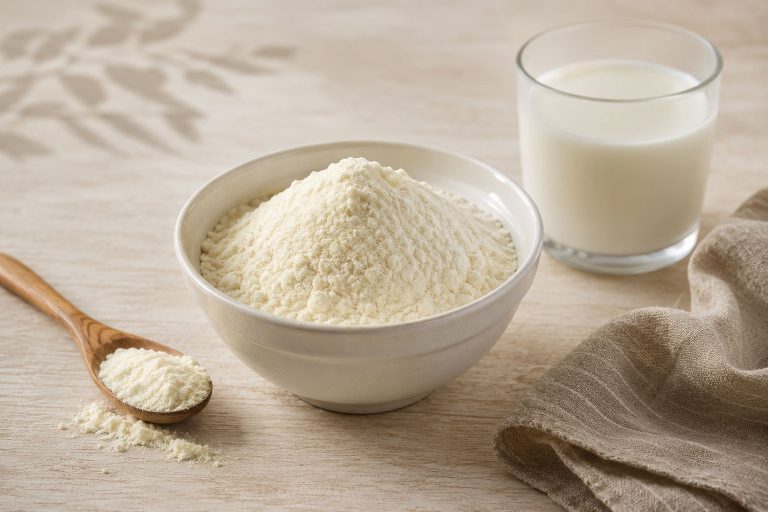
Milk powder, also known as dried milk, is produced by removing most of the water content from fresh milk through specialized drying processes. This creates a shelf-stable product that retains many of the essential nutrients found in liquid milk.
The primary purpose of milk powder production is to extend shelf life, reduce transportation costs, and provide a convenient dairy product that can be stored for long periods without refrigeration.
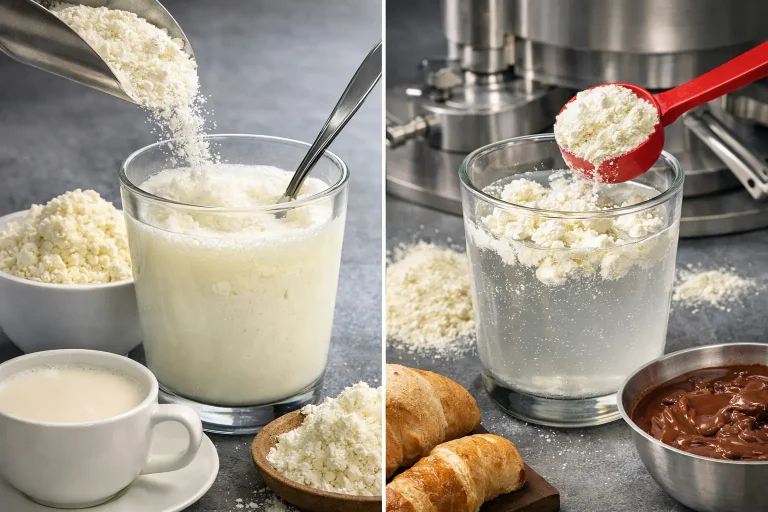
Milk powder is widely used in households, food manufacturing, bakeries, confectionery products, beverages, and nutritional supplements.
Is Milk Powder Safe for Adults?
Yes, milk powder is generally safe for healthy adults.
In fact, many adults regularly consume milk powder in different forms, including:
- Reconstituted milk
- Protein-rich beverages
- Coffee and tea additives
- Baking ingredients
- Smoothies and shakes
- Sports nutrition products
As long as it is consumed according to dietary needs and stored properly, milk powder can be part of a balanced diet.
Nutritional Value of Milk Powder
Milk powder contains many of the nutrients naturally present in fresh milk, including:
Protein
Milk powder provides high-quality protein that contains all essential amino acids required by the human body.
Calcium
Calcium supports strong bones and teeth and plays a vital role in muscle and nerve function.
Phosphorus
Phosphorus works alongside calcium to maintain bone health and energy production.
Potassium
Potassium helps regulate blood pressure and supports proper muscle function.
Vitamins
Depending on the product type, milk powder may contain vitamins such as:
- Vitamin A
- Vitamin D
- Vitamin B2 (Riboflavin)
- Vitamin B12
These nutrients contribute to overall health and well-being.
Benefits of Milk Powder for Adults
1. Long Shelf Life
One of the biggest advantages of milk powder is its extended shelf life.
Unlike fresh milk, which must be refrigerated and consumed within a relatively short period, unopened milk powder can remain usable for months when stored under suitable conditions.
This makes it an excellent option for emergency food supplies, travel, and regions with limited refrigeration.
2. Convenient Storage and Transportation
Milk powder is lightweight and compact compared to liquid milk.
Its reduced weight lowers transportation costs and makes it easier to store at home, in offices, or while traveling.
3. High-Quality Protein Source
Protein is essential for maintaining muscle mass, supporting tissue repair, and promoting overall health.
Adults looking to increase their protein intake may benefit from incorporating milk powder into smoothies, shakes, or meals.
4. Supports Bone Health
The calcium and phosphorus found in milk powder help maintain healthy bones and teeth.
This can be particularly important for older adults who may face an increased risk of bone-related conditions.
5. Versatility in Food Preparation
Milk powder is widely used in cooking and baking.
It can improve the texture, flavor, and nutritional value of products such as:
- Bread
- Cakes
- Cookies
- Ice cream
- Yogurt
- Chocolate
- Sauces
Many professional bakers use milk powder to enhance the quality of their recipes.
Does Milk Powder Cause Weight Gain?
Many people believe that milk powder automatically leads to weight gain.
In reality, no single food causes weight gain on its own.
Weight gain occurs when calorie intake consistently exceeds calorie expenditure.
Milk powder is relatively calorie-dense because the water has been removed. Therefore, consuming large quantities may contribute to increased calorie intake.
However, moderate consumption as part of a balanced diet does not necessarily lead to weight gain.
Milk Powder vs. Fresh Milk
A common question is whether milk powder is as healthy as fresh milk.
Both products offer valuable nutrients, but each has unique advantages.
Fresh Milk
Benefits include:
- Natural taste and texture
- Minimal processing
- Immediate consumption
Milk Powder
Benefits include:
- Longer shelf life
- Easier transportation
- Reduced storage requirements
- Convenient availability
From a nutritional standpoint, milk powder retains many of the key nutrients found in fresh milk, making it a practical alternative in many situations.
Is Milk Powder Good for Athletes?
Athletes often require additional protein and energy to support training and recovery.
Milk powder can be a convenient source of protein and nutrients that contribute to muscle maintenance and overall performance.
Many sports nutrition products use dairy-based ingredients because of their favorable amino acid profile.
However, milk powder should complement a balanced diet rather than replace whole foods.
Benefits of Milk Powder for Older Adults
As people age, maintaining adequate protein and calcium intake becomes increasingly important.
Milk powder may help older adults:
- Support bone strength
- Maintain muscle mass
- Improve nutritional intake
- Increase dietary protein consumption
For individuals with reduced appetite, milk powder can be added to beverages and meals to increase nutritional value.
Potential Drawbacks of Milk Powder
Although milk powder is safe for most people, some individuals should exercise caution.
Lactose Intolerance
People with lactose intolerance may experience symptoms such as:
- Bloating
- Gas
- Stomach discomfort
Depending on the product type and individual tolerance levels.
Milk Protein Allergy
Individuals with milk protein allergies should avoid milk powder and dairy-based products unless advised otherwise by a healthcare professional.
Excessive Consumption
Like any food product, excessive intake may contribute to unnecessary calorie consumption.
Moderation remains important.
How to Prepare Milk Powder Correctly
To prepare milk from milk powder:
- Use clean drinking water.
- Follow the manufacturer’s mixing instructions.
- Stir thoroughly until completely dissolved.
- Consume within the recommended time after preparation.
Using the correct powder-to-water ratio ensures the best taste and nutritional quality.
Common Uses of Milk Powder
Milk powder is widely used in both households and the food industry.
Popular applications include:
- Drinking milk beverages
- Coffee and tea preparation
- Baking and confectionery
- Ice cream production
- Yogurt manufacturing
- Nutritional supplements
- Protein shakes
- Emergency food storage
Its versatility makes it one of the most valuable dairy ingredients worldwide.
Conclusion
Milk powder is not just for infants. Adults can safely consume milk powder and benefit from its nutritional value, convenience, and long shelf life.
As a source of protein, calcium, vitamins, and essential minerals, milk powder can be incorporated into a balanced diet for people of various ages and lifestyles.
Whether used in beverages, cooking, baking, or nutritional applications, milk powder remains an important dairy product that continues to serve consumers around the world.
When consumed responsibly and as part of a healthy diet, milk powder can be a practical and nutritious option for adults seeking a convenient dairy solution.