How to Choose the Best Protein Powder in 2025
(A Real, No-Hype Guide Based on Experience and Trends)
In 2025, choosing a protein powder is no longer as simple as picking “whey” or “plant-based” and calling it a day. The supplement market has evolved rapidly, and while innovation has brought better formulations, it has also created confusion. Shelves and online stores are now filled with hundreds of options, bold performance claims, influencer-backed products, and glossy labels that often hide more than they explain.
After years of watching trends rise and fall, working with protein formulations, reading countless ingredient panels, and observing what consumers actually continue using over the long term, one reality stands out clearly:
The best protein powder is not the most popular one — it is the one that fits your body, your goals, and your lifestyle.
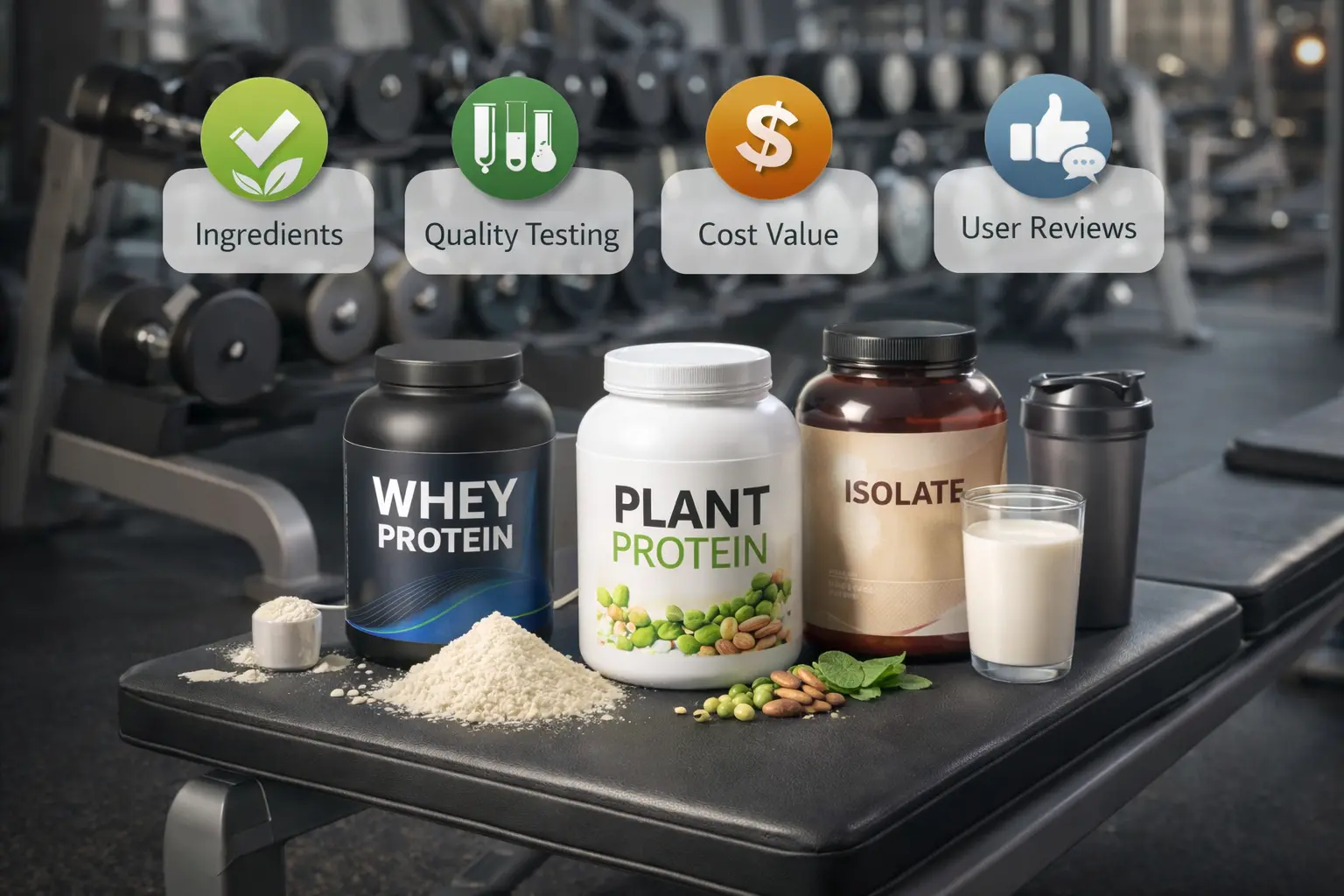
This guide cuts through marketing noise and explains how to choose the best protein powder in 2025 based on real-world use, current nutrition science, and where the industry is genuinely heading.
1. First, Define Why You Need Protein Powder
Before comparing brands, flavors, or prices, the most important question you need to answer is simple but often ignored:
Why are you using protein powder?
In 2025, protein supplementation is no longer limited to bodybuilders. Consumers now use protein powders for a wide range of reasons, including:
- Muscle building and strength training
- Fat loss and body recomposition
- Busy lifestyles and meal replacement
- Recovery, injury prevention, and joint support
- Aging and muscle mass preservation
- Digestive-friendly protein intake
Each of these goals requires a different protein profile, digestion speed, and formulation approach. A powerlifter, a marathon runner, and a 45-year-old office worker trying to stay healthy do not need the same protein powder — even if the label claims it is “for everyone.”
👉 Mistake #1 in 2025: Buying a protein powder simply because an influencer uses it, without matching it to your actual physiological needs.
2. Protein Source Matters More Than Ever in 2025
Whey Protein: Still the Gold Standard — With Conditions
Whey protein remains the most researched and effective protein source in sports nutrition. However, in 2025, the phrase “whey protein” alone is no longer enough to judge quality.
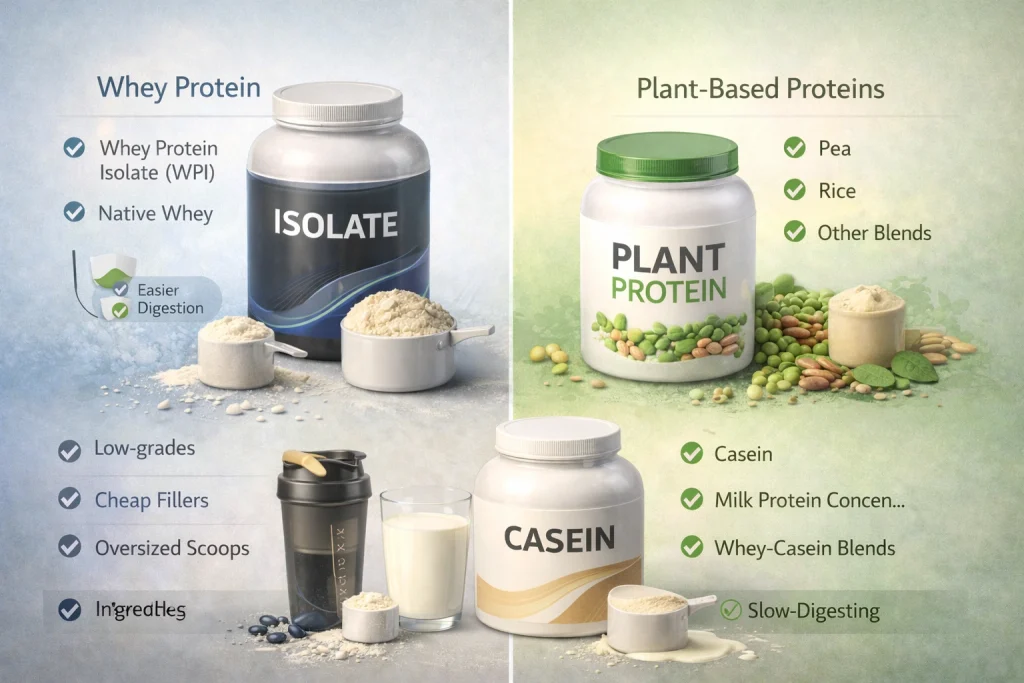
The best whey options in 2025 include:
- Whey Protein Isolate (WPI)
- Higher protein percentage
- Significantly lower lactose
- Easier digestion for most users
- Native Whey
- Less processed
- Derived directly from milk rather than cheese byproducts
- Growing in popularity among quality-focused brands
On the other hand, consumers should be cautious with:
- Low-grade whey concentrates filled with cheap fillers
- Products that use oversized scoops to hide low protein density
👉 From real experience:
People who say “whey hurts my stomach” are rarely reacting to whey itself. In most cases, they are reacting to poor filtration, excess lactose, or low-quality processing.
Plant-Based Proteins: No Longer a Weak Alternative
In 2025, plant-based proteins have matured significantly. They are no longer limited to gritty textures and incomplete amino acid profiles.
Modern high-quality plant proteins now use intelligent blends of:
- Pea protein
- Rice protein
- Fava bean or chickpea protein
When blended correctly, these combinations can deliver a complete amino acid profile comparable to animal-based proteins.
However, challenges still remain:
- Taste and texture quality vary widely between brands
- Digestibility depends heavily on processing methods
👉 2025 trend insight:
Plant proteins are increasingly chosen not only for vegan or ethical reasons, but also for gut comfort, food sensitivity management, and sustainability concerns.
Milk-Based Proteins: Casein, MPC, and Blends Make a Comeback
One of the most noticeable trends in 2025 is the renewed interest in milk-based proteins, particularly:
- Casein
- Milk Protein Concentrate (MPC)
- Whey–casein blends
These proteins digest more slowly and are especially popular for:
- Night-time protein intake
- Appetite control
- Long-lasting satiety
They are ideal for individuals who want steady amino acid delivery rather than rapid absorption.
3. Read the Label Like a Pro (This Is Where Most People Fail)
In 2025, supplement labels look more sophisticated — but that does not mean they are clearer.
Protein Per Serving (Not Scoop Size)
Always check:
- 20–25 grams of actual protein per serving
- Not the scoop weight, which can be misleading
Large scoops often create the illusion of value while delivering less protein per gram.
Ingredient List Length
As a general rule:
- Shorter ingredient lists are better
Be cautious of products loaded with:
- Excessive gums and thickeners
- Artificial sweeteners in high amounts
- “Proprietary blends” with no transparency
Amino Acid Profile
Key things to look for:
- Adequate leucine content, essential for muscle protein synthesis
- No signs of amino spiking, where cheap amino acids inflate protein numbers
👉 Real-world rule:
If you cannot understand half of the ingredient list, your digestive system probably won’t appreciate it either.
4. Digestibility Is the New Priority in 2025
One of the biggest shifts in protein supplementation in 2025 is a stronger focus on gut health and digestive comfort.
Consumers are no longer willing to tolerate:
- Bloating
- Gas
- Heavy or sluggish digestion
As a result, leading protein powders now emphasize:
- Low-lactose or lactose-free formulations
- Digestive enzyme blends (lactase, protease)
- Cleaner, gentler processing techniques
👉 From experience:
Long-term users consistently choose the protein that feels good 30 minutes after consumption, not the one with the loudest claims.
5. Flavor and Mixability Matter More Than You Think
A protein powder may be nutritionally perfect, but if it:
- Does not dissolve properly
- Tastes overly artificial
- Requires a blender every single time
…it will eventually end up unused.
In 2025:
- Instantized powders are expected, not a bonus
- Natural flavor systems have improved dramatically
- Overly sweet products are steadily losing popularity
👉 Honest truth:
The best protein powder is the one you genuinely enjoy drinking — consistently.
6. Clean vs. “Functional” Additives: Know the Difference
Many protein powders in 2025 include added ingredients such as:
- Creatine
- Collagen
- MCT oil
- Fiber
- Adaptogens
These additions can be useful — but only when they match your needs.
Ask yourself:
- Do I want pure protein, or an all-in-one supplement?
- Am I paying extra for ingredients I do not actually need?
👉 Experience-based advice:
If you are new to protein supplementation, start with a clean, simple formula. You can always add specific supplements later.
7. Certifications, Testing, and Brand Transparency
In 2025, trust is more valuable than branding.
Reliable protein brands provide:
- Third-party lab testing
- Clear sourcing information
- Consistent batch quality
Red flags include:
- “Secret” or proprietary formulas
- No clear company contact information
- Unrealistic claims such as “Build muscle in 7 days”
8. Price vs. Value: The Final Reality Check
The cheapest protein powder is rarely the best.
The most expensive one often is not either.
Instead of focusing on price alone, evaluate:
- Cost per gram of protein
- Digestive tolerance
- How long one container realistically lasts you
👉 Long-term users understand:
A protein you digest well and use daily is cheaper over time, even if it costs more upfront.
Final Thoughts: The Best Protein Powder in 2025 Is Personal
There is no single “best protein powder” for everyone in 2025.
The right choice is the one that:
- Matches your personal goal
- Supports your digestion
- Fits your daily routine
- Comes from a transparent and reliable brand
Trends will continue to change.
Your body’s response will always tell the truth.
Choose smart, stay consistent, and ignore the hype.