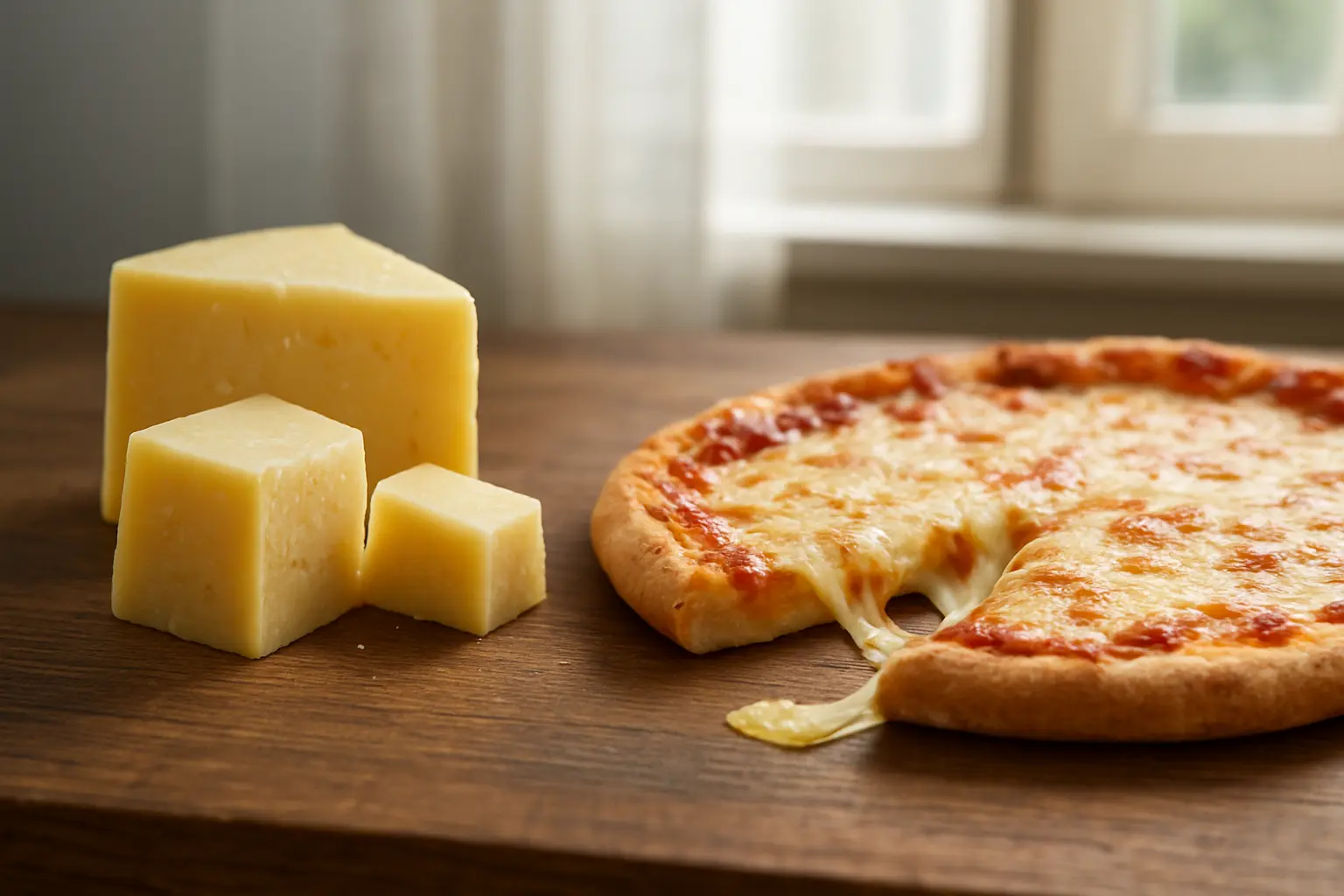
Primary Cheese (Rennet): A Complete Guide to Its Role in Modern Cheese Production
Rennet is the enzyme preparation that coagulates milk in the first step of cheese making. In the dairy trade it is also called primary cheese. There are four main types of rennet: animal rennet from the stomachs of young calves, microbial rennet from fungi, fermentation-produced chymosin (FPC) and plant rennet from thistle or fig. Animal and plant rennet are mostly used in traditional and artisanal cheeses, while microbial rennet and FPC are widely used in industrial cheese production.
Although it is used in very small quantities, rennet has an enormous effect on curd strength, moisture, yield, meltability and texture. Most natural cheeses are made by rennet coagulation, so understanding how rennet works, which type to choose and what to ask a supplier is essential for every dairy professional and food manufacturer. This guide covers rennet types and uses, how rennet works, how to select it for industrial use, and how to buy it.
Rennet Types and Uses at a Glance
| Type | Source | Typical uses | Key points |
|---|---|---|---|
| Animal rennet | Stomach (abomasum) of young calves; lamb and kid rennet are also used | Traditional and aged cheeses such as Parmigiano-Reggiano, Gorgonzola and Pecorino | Strong coagulation and traditional flavor development; supply and price can vary; not vegetarian |
| Microbial rennet | Fermentation of fungi such as Rhizomucor miehei | Large-scale cheese production, white and fresh cheeses | Stable supply, lower cost, good activity control; older products have lower specificity, which can add bitterness in long-ripened cheese |
| Fermentation-produced chymosin (FPC) | Chymosin produced by fermentation with a microbial host | Pizza and mozzarella, block and sliced cheese, export cheese | High purity, predictable coagulation, good yield; check certificates for vegetarian, Halal and Kosher status |
| Plant rennet | Thistle (cardoon), fig and other plants | Artisanal and specialty cheeses | Not suited to mass production; activity can vary and may add bitterness |
What Is Primary Cheese (Rennet)?
Primary cheese refers to the enzymatic agent used to coagulate milk during the first stage of cheese production. Rennet contains proteolytic enzymes, with chymosin as the main active enzyme, that act on the milk protein casein and turn liquid milk into a firm gel called curd.
The coagulation separates two streams:
- Curd, which becomes cheese
- Whey, which is later used for whey powder and whey proteins
Without this first reaction no structured cheese matrix can form, which is why rennet is the foundation of rennet-coagulated cheese. A few fresh cheeses, such as paneer and ricotta, rely mainly on acid or heat instead.
How Does Rennet Work in Cheese Making?
Milk stays liquid because casein micelles carry a stabilizing outer layer of kappa-casein. Rennet works in two phases:
- Enzymatic phase. Chymosin cuts kappa-casein at one specific bond (between phenylalanine 105 and methionine 106) and removes the part that keeps the micelles apart.
- Aggregation phase. Without that layer, the casein particles bond together, with the help of calcium, and form a firm gel. Whey then separates from the curd after cutting.
Coagulation speed and gel firmness depend on temperature (usually about 30–38 °C, depending on the cheese), acidity, calcium level, milk protein content and the activity and dose of the rennet. Calcium chloride is commonly added to pasteurized or low-solids milk to improve firmness. By controlling these factors, manufacturers can:
- Control curd firmness
- Adjust moisture level
- Influence melt behavior
- Define final cheese texture
In this way rennet directly defines the physical character of every rennet-coagulated cheese.
Types of Rennet Used in the Industry
Modern food production uses several types of rennet, chosen for technological, religious and commercial requirements.
1. Animal rennet. Traditionally extracted from the stomach lining of young calves, animal rennet contains chymosin as its main enzyme together with a smaller share of pepsin. The balance between the two affects proteolysis, flavor and bitterness. It is still widely used in traditional European cheeses because of its strong performance and flavor development. Halal and Kosher status depends on the source and the certification, so always ask for the certificate.
2. Microbial rennet. Produced by fermentation with selected fungi, microbial rennet offers consistent performance, stable supply, lower cost and good control of activity. It is generally suitable for vegetarian cheese. Because older microbial coagulants break down protein less specifically than calf rennet, modern products are selected for low non-specific activity, which matters most in long-ripened cheese.
3. Fermentation-produced chymosin (FPC). FPC is the same chymosin enzyme found in calf rennet, produced by controlled fermentation. It provides high purity, predictable coagulation, excellent yield and strong melt performance, and it is the type that behaves most like calf rennet. Whether a specific FPC is accepted as vegetarian, GMO-free, Halal or Kosher depends on the product, so check the documentation.
4. Plant rennet. Derived from plants such as thistle (cardoon) and fig, plant rennet is mostly used in artisanal and specialty cheeses, not in mass production.
Industrial Applications of Primary Cheese (Rennet)
In today’s food industry, rennet is far more than a traditional dairy ingredient. The cheese it produces goes into natural cheese, pizza cheese, dairy snacks, ready meals, frozen foods and fast-food applications. The table shows which type of rennet is usually chosen for each use.
| Application | Typical choice | Why |
|---|---|---|
| Traditional and aged cheese (Parmigiano-Reggiano, Gorgonzola, Pecorino, many cheddars) | Animal rennet | Flavor development during long ripening |
| Block and sliced cheese | FPC or microbial rennet | Consistent coagulation, stable supply and good yield |
| Pizza cheese and mozzarella | FPC or other high-purity chymosin-based rennet | Stretch, melt and low oil release, with little bitterness |
| White cheese and other automated lines | Microbial rennet or FPC, often dosed in-line | Fast, uniform coagulation at line speed |
| Processed cheese | Not added at the processing stage | Rennet acts earlier, in the natural cheese used as raw material |
| Cheese analogs | Rennet casein as the protein base | Rennet casein is made by coagulating skim milk with rennet; the analog itself is not coagulated with rennet |
In high-speed production lines, the right rennet ensures fast curd formation, stable moisture retention, predictable melting behavior and a uniform cheese structure. As a result, rennet enables automation, yield control and consistent quality in industrial dairy systems.
Why Rennet Quality Is So Important
The quality of rennet directly affects several critical production factors:
- Curd strength: weak or inconsistent rennet produces fragile curd and high product loss.
- Moisture control: unstable activity leads to unstable moisture content.
- Melt performance: in pizza cheese, stretch and oil release depend heavily on the coagulant.
- Flavor development: an unsuitable enzyme balance can cause bitterness and off-flavors.
- Yield optimization: correct activity improves cheese yield and reduces whey losses.
For this reason, rennet is a high-impact, low-volume ingredient where consistent quality matters more than price.
Rennet and Whey: A Strategic By-Product Relationship
Once coagulation is complete, the whey is separated from the curd. This whey becomes whey powder, whey protein concentrate (WPC) and whey protein isolate (WPI). Rennet therefore plays a dual economic role: it makes cheese production possible and it starts the chain that creates high-value whey proteins. For the other side of the dairy protein market, see our milk protein concentrate (MPC).
How to Choose the Right Rennet for Industrial Use
Before selecting rennet, manufacturers should evaluate:
- Cheese type (pizza, block, sliced, white cheese, aged)
- Production speed and whether coagulant is dosed in-line
- Target moisture level and ripening time
- Melt and stretch requirements
- Protein-fat ratio of the milk
- Cost per batch, not only price per kilogram
- Vegetarian, Halal and Kosher requirements
- Export regulations of the destination market
General selection guide
- Aged traditional cheese: animal rennet, for flavor development.
- High-moisture and white cheese: fast-acting microbial rennet or FPC.
- Pizza cheese: high-purity chymosin-based rennet (FPC).
- Block and sliced cheese: FPC or a modern microbial coagulant with low non-specific activity.
- Cheese analogs: rennet casein or caseinate as the protein source.
Strength and dosage. Rennet strength is expressed in activity units, most commonly International Milk Clotting Units (IMCU). A stronger rennet coagulates faster, so the dose must match the strength stated on the technical data sheet (TDS). Run a pilot trial with your own milk before you change type or supplier. Making the wrong choice at this stage can cause serious production errors and financial losses.
Rennet Supplier Checklist
Use this checklist when you compare rennet suppliers:
- Type and source stated clearly: animal, microbial or FPC, with GMO and allergen declarations.
- Activity in IMCU (or stated strength) on the TDS and on the certificate of analysis (COA) of every batch.
- Composition: chymosin and pepsin share for animal rennet, and non-specific activity for microbial rennet.
- Form and packaging: liquid, powder or tablet, and the pack sizes you need.
- Dosage recommendation for your cheese type, supported by trials.
- Shelf life and storage conditions, and the remaining shelf life at delivery.
- Microbiological and chemical limits reported on the COA.
- Certificates: ISO 22000 or FSSC 22000, HACCP, Halal and Kosher, and a vegetarian statement if needed.
- Batch-to-batch consistency: COAs from several recent batches, not one best result.
- Supply and logistics: monthly capacity, lead time, export documents and samples for a pilot trial.
Looking for a rennet supplier? Send us your cheese type, monthly milk volume and delivery location, and our team will reply with a quotation and the technical documents. Request a rennet quotation
Shelf Life and Storage of Rennet
Rennet is sensitive to environmental conditions. Proper storage protects enzyme activity, keeps coagulation consistent and preserves usability over time. Follow the TDS of your product. In general:
- Liquid rennet is stored refrigerated; dry forms usually keep longer but need accurate measuring.
- Protect rennet from light and keep packaging airtight.
- Dilute only as much as you need, in cool, non-chlorinated water, shortly before use.
- Use within the stated shelf life.
Improper storage can destroy enzyme activity and result in failed production batches.
Rennet in Export-Oriented Dairy Production
For international markets, rennet must meet food safety standards, microbiological requirements, traceability documentation, Halal and other certifications, and batch consistency verification. Export cheese producers rely on rennet with a stable activity profile to meet global regulations.
Rennet Market and Suppliers
Supply has shifted over the years from calf rennet toward microbial and fermentation-based coagulants, partly because calf stomach supply is limited and variable. For a buyer, this makes the choice of supplier as important as the choice of type. Look for consistent activity, complete documentation, valid certificates and export experience.
Future Trends in Rennet Technology
The rennet industry continues to move toward precision fermentation, enzyme optimization, clean-label and GMO-free enzyme systems, and improved melt-control performance. These developments help dairy producers achieve better texture control, higher yield, lower formulation risk and more stable export production.
Rennet FAQ
What is rennet? Rennet is an enzyme preparation, with chymosin as its main active enzyme, that coagulates milk into curd in the first step of cheese making.
What is rennet made from? Traditional rennet comes from the abomasum of young calves. Microbial rennet and fermentation-produced chymosin are made by fermentation, and plant rennet comes from plants such as thistle.
What does rennet do in cheese? It cuts kappa-casein so the milk proteins form a gel. This sets curd firmness, moisture, yield, melt and texture.
What are the types of rennet? Animal rennet, microbial rennet, fermentation-produced chymosin (FPC) and plant rennet.
What is the difference between microbial and animal rennet? Animal rennet comes from calf stomachs and gives traditional flavor development. Microbial rennet is made by fungal fermentation, has a stable supply and lower cost, and is generally suitable for vegetarian cheese.
Is microbial rennet vegetarian? Microbial rennet is generally suitable for vegetarians. For FPC, vegetarian, GMO and religious status depends on the specific product, so check the certificates.
Which cheeses use animal rennet? Many traditional cheeses, such as Parmigiano-Reggiano, Gorgonzola, Pecorino and many cheddars and Swiss-type cheeses.
Do all cheeses use rennet? No. Some fresh cheeses, such as paneer and ricotta, rely mainly on acid or heat instead.
Which rennet is best for pizza cheese? High-purity chymosin-based rennet, such as FPC, is usually preferred for stretch, melt and low bitterness.
How can I buy rennet for my factory? Send us your cheese type, monthly volume and delivery location. We will reply with a quotation, the TDS and the COA. Send an inquiry
Final Conclusion
Primary cheese (rennet) is far more than a technical additive. It is the heart of cheese production, whether in traditional dairies, large industrial lines or modern processing plants. By setting curd structure, moisture, melt, texture and yield, rennet decides both product quality and manufacturing profitability.
For food manufacturers, correct rennet selection means:
- Higher yield
- Better texture
- Stable melt behavior
- Strong brand consistency
- Export-ready performance
In today’s competitive dairy industry, success begins with the right rennet and the right supplier.
Shahdoosh, a brand of Tejarat Chavosh Arian, supplies dairy ingredients to food manufacturers and international markets, including primary cheese (rennet), milk protein concentrate, whey, milk powders, AMF and butter, with technical information and export support tailored to each production need. Request a quotation, a sample or the technical data sheet.