Why Food Manufacturers Are Switching to Powdered Milk in 2025
A Strategic Shift Driven by Cost, Stability, and Global Supply Chains
In 2025, the global food manufacturing industry is undergoing a quiet but significant transformation. While consumers may not immediately notice the change on supermarket shelves, behind the scenes many food producers are making a strategic shift: replacing liquid milk with powdered milk in a wide range of formulations.
This transition is not a short-term trend or a cost-cutting trick. Rather, it is a calculated response to evolving economic pressures, supply chain instability, sustainability requirements, and the need for greater formulation control.
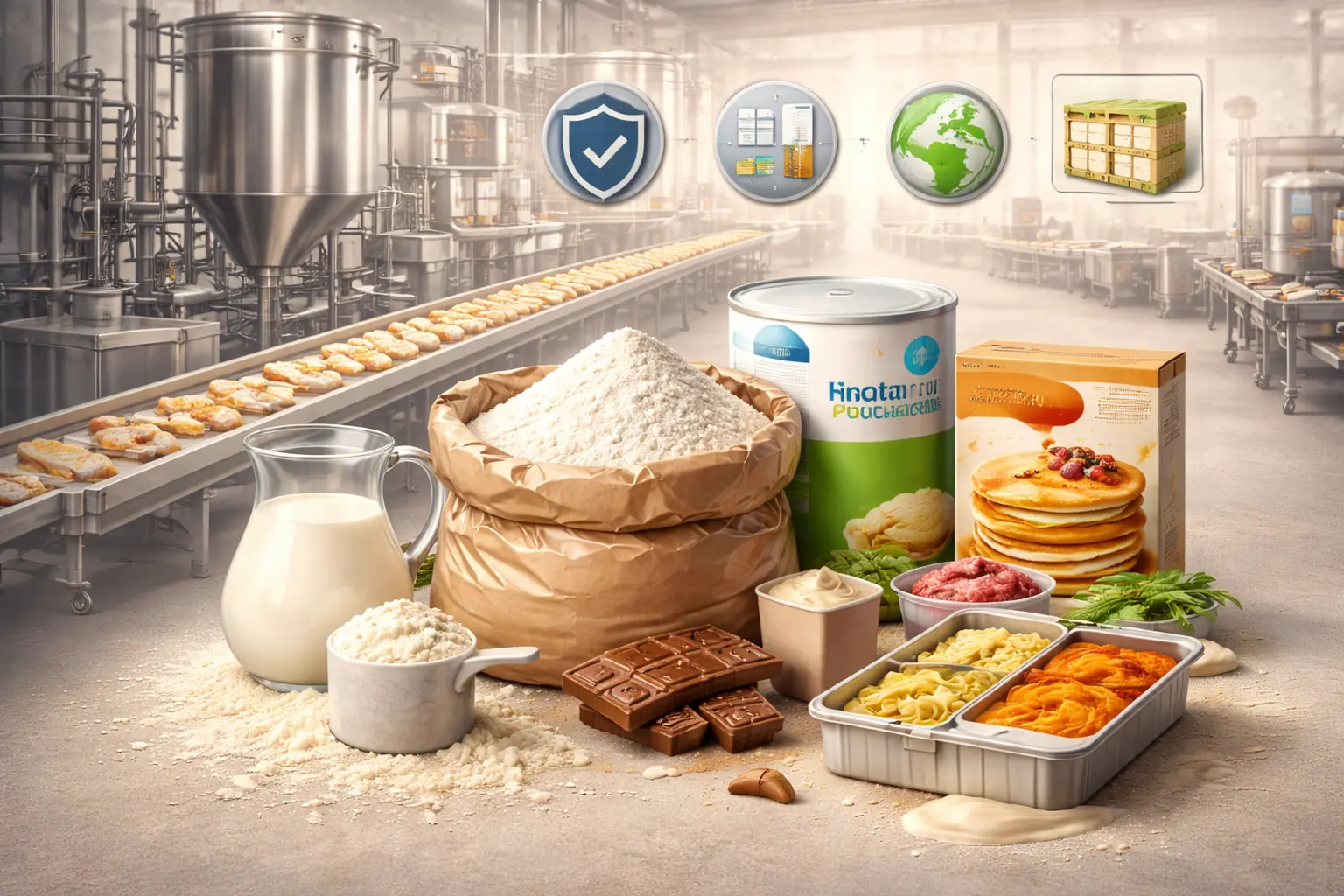
From bakery and confectionery to beverages, infant nutrition, sports supplements, and ready-to-eat foods, this product has become a preferred dairy ingredient for manufacturers seeking reliability and scalability in an unpredictable global market.
This article explores why food manufacturers are switching to powdered milk in 2025, examining the decision from technological, financial, logistical, and regulatory perspectives.
1. Cost Predictability in an Unstable Dairy Market
Volatile Raw Milk Prices
One of the most pressing challenges facing food manufacturers in recent years has been price volatility in raw milk markets. Climate change, feed costs, energy prices, and regional supply disruptions have made fresh milk pricing increasingly unpredictable.
In contrast, powdered milk offers:
- More stable long-term pricing
- Easier contract-based purchasing
- Reduced exposure to seasonal fluctuations
Because it can be produced during peak milk supply periods and stored long-term, it allows manufacturers to decouple production planning from daily raw milk price swings.
Lower Hidden Costs
While liquid milk may appear cheaper at first glance, manufacturers increasingly recognize the hidden costs associated with it:
- Refrigerated transportation
- Cold storage requirements
- Higher spoilage and waste rates
- Short shelf life risks
Powdered milk eliminates many of these indirect expenses, resulting in a lower total cost of ownership, not just a lower ingredient price.
2. Shelf Life and Inventory Flexibility
Long Shelf Life as a Strategic Advantage
One of the most decisive factors behind the shift is shelf stability.
Powdered milk typically offers:
- Shelf life of 12–24 months
- No refrigeration before reconstitution
- Minimal risk of microbiological spoilage when stored correctly
This long shelf life enables manufacturers to:
- Buy in bulk
- Reduce emergency sourcing
- Maintain safety stock without waste
In 2025, inventory flexibility is no longer optional — it is essential.
Reduced Production Interruptions
Supply chain disruptions over the past few years have taught manufacturers a hard lesson: production lines stop when ingredients fail to arrive on time.
Powdered milk allows manufacturers to:
- Store months of supply on-site
- Avoid dependency on daily milk deliveries
- Maintain continuous production even during logistics disruptions
As a result, powdered milk has become a risk management tool, not just an ingredient.
3. Superior Microbiological Safety
Lower Microbial Risk Compared to Liquid Milk
From a food safety perspective, powdered milk provides a significant advantage.
Properly processed milk powders (spray-dried under controlled conditions) have:
- Very low water activity
- Minimal microbial growth potential
- Reduced pathogen survival
Compared to liquid milk, which requires constant refrigeration and strict hygiene controls, this product offers greater microbiological stability.
Compliance With Global Safety Standards
In 2025, food safety regulations are tighter than ever, especially for export-oriented manufacturers.
Powdered milk is easier to align with:
- HACCP systems
- ISO 22000 standards
- Export documentation requirements
This makes it particularly attractive for manufacturers serving international markets.
4. Formulation Control and Product Consistency
Precision in Standardization
One of the most underestimated advantages of powdered milk is formulation accuracy.
It allows manufacturers to:
- Precisely control protein, fat, and lactose levels
- Adjust formulations batch by batch
- Achieve consistent results across production runs
Liquid milk, by contrast, naturally varies depending on season, feed, and animal health.
Consistency Equals Brand Trust
In competitive markets, product inconsistency is expensive.
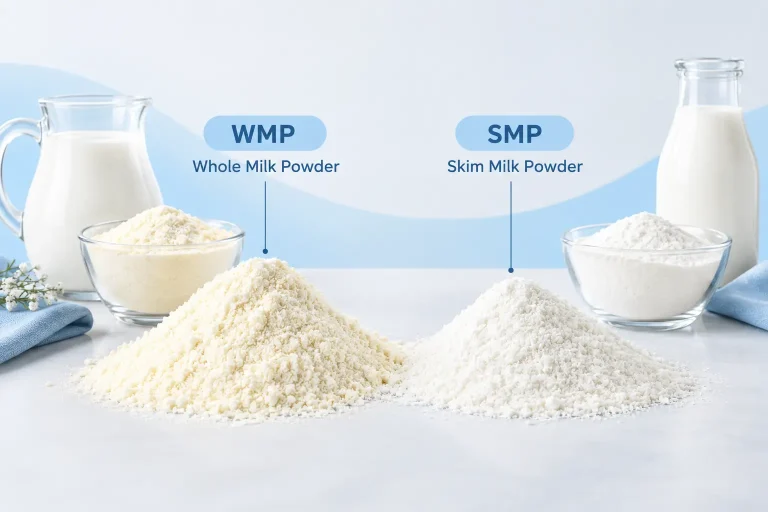
Using standardized milk powders such as:
helps manufacturers ensure:
- Uniform taste and texture
- Stable nutritional labeling
- Fewer customer complaints
In 2025, consistency is not just a quality issue — it is a brand survival issue.
5. Logistics, Storage, and Export Efficiency
Easier Transportation
Powdered milk is:
- Lighter per unit of nutritional value
- More compact
- Less sensitive to temperature fluctuations
This translates into:
- Lower transportation costs
- Reduced carbon footprint per shipment
- Fewer losses during transit
For exporters, this advantage is decisive.
Global Market Accessibility
Manufacturers targeting markets such as:
- Middle East
- Central Asia
- Africa
- Southeast Asia
often face challenges related to cold-chain infrastructure.
Powdered milk bypasses these limitations entirely, making it the preferred dairy ingredient for export-oriented production.
6. Sustainability and Environmental Pressures
Reduced Food Waste
Food waste reduction has become a central KPI for manufacturers in 2025.
Powdered milk contributes to sustainability by:
- Reducing spoilage losses
- Allowing full utilization of milk solids
- Extending usable life of dairy nutrients
Lower Energy Use Over Time
While milk powder production is energy-intensive, lifecycle analyses increasingly show that:
- Reduced refrigeration
- Lower transport energy
- Fewer discarded products
can result in lower overall environmental impact compared to liquid milk-based systems.
For companies facing ESG reporting requirements, it offers a more controllable sustainability profile.
7. Versatility Across Food Categories
Powdered milk is no longer limited to basic dairy applications.
In 2025, it is widely used in:
- Bakery and pastry products
- Chocolate and confectionery
- Ready-to-drink beverages (after reconstitution)
- Infant and clinical nutrition
- Sports and functional foods
- Sauces, soups, and instant meals
Its adaptability allows manufacturers to use one core ingredient across multiple product lines, simplifying procurement and formulation strategies.
8. Improved Quality of Modern Milk Powders
Advances in Processing Technology
Modern spray-drying and agglomeration technologies have significantly improved milk powder quality.
Today’s high-grade milk powders offer:
- Better solubility
- Improved flavor retention
- Reduced oxidation
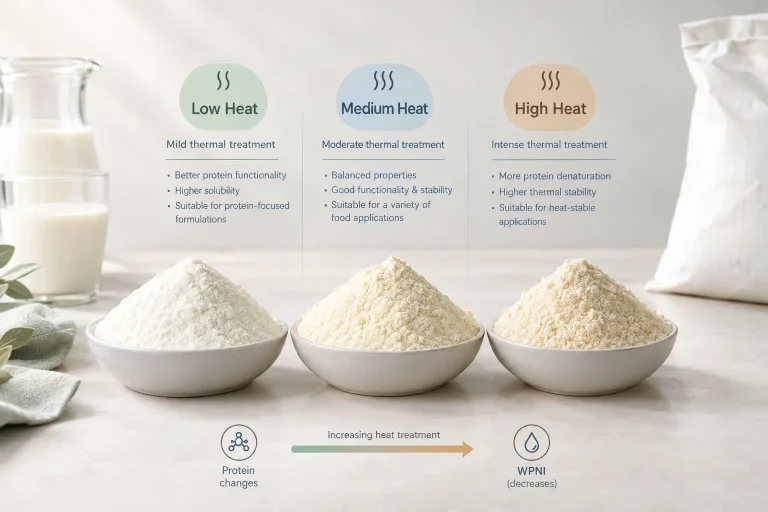
- Enhanced heat stability
These improvements have eliminated many of the sensory and functional limitations associated with older milk powders.
Custom Functional Powders
Suppliers now offer customized milk powders designed for specific applications, such as:
- High-heat bakery powders
- Beverage-grade instant powders
- High-protein nutritional blends
This level of specialization makes it a functional ingredient, not just a commodity.
9. Regulatory and Labeling Advantages
Easier Nutritional Labeling
Powdered milk provides precise nutritional values, which simplifies:
- Nutritional panel accuracy
- Regulatory compliance
- Reformulation for different markets
Reduced Risk of Non-Compliance
With liquid milk, variations in composition can lead to labeling discrepancies.
Powdered milk minimizes this risk, making it especially valuable for manufacturers operating across multiple regulatory jurisdictions.
10. A Strategic, Not Temporary, Shift
Importantly, the move toward powdered milk is not a short-term response to crises.
In 2025, it reflects a broader transformation in food manufacturing philosophy:
- From reactive sourcing to strategic ingredient management
- From short-term cost savings to long-term resilience
- From local optimization to global scalability
Manufacturers are not abandoning liquid milk entirely, but they are redefining when and where it makes sense to use it.
Final Thoughts: Powdered Milk as a Competitive Advantage
Food manufacturers are switching to powdered milk in 2025 because it offers:
- Cost stability
- Long shelf life
- Superior safety margins
- Formulation precision
- Export readiness
- Sustainability benefits
In a world where supply chains are fragile, regulations are strict, and consumers demand consistency, this product provides something increasingly rare: control.
For manufacturers willing to think beyond tradition and focus on efficiency, scalability, and resilience, powdered milk is no longer just an alternative — it is a strategic advantage.