Dairy Ingredient Selection Mistakes That Cost Food Manufacturers Money
(And How to Avoid Them)
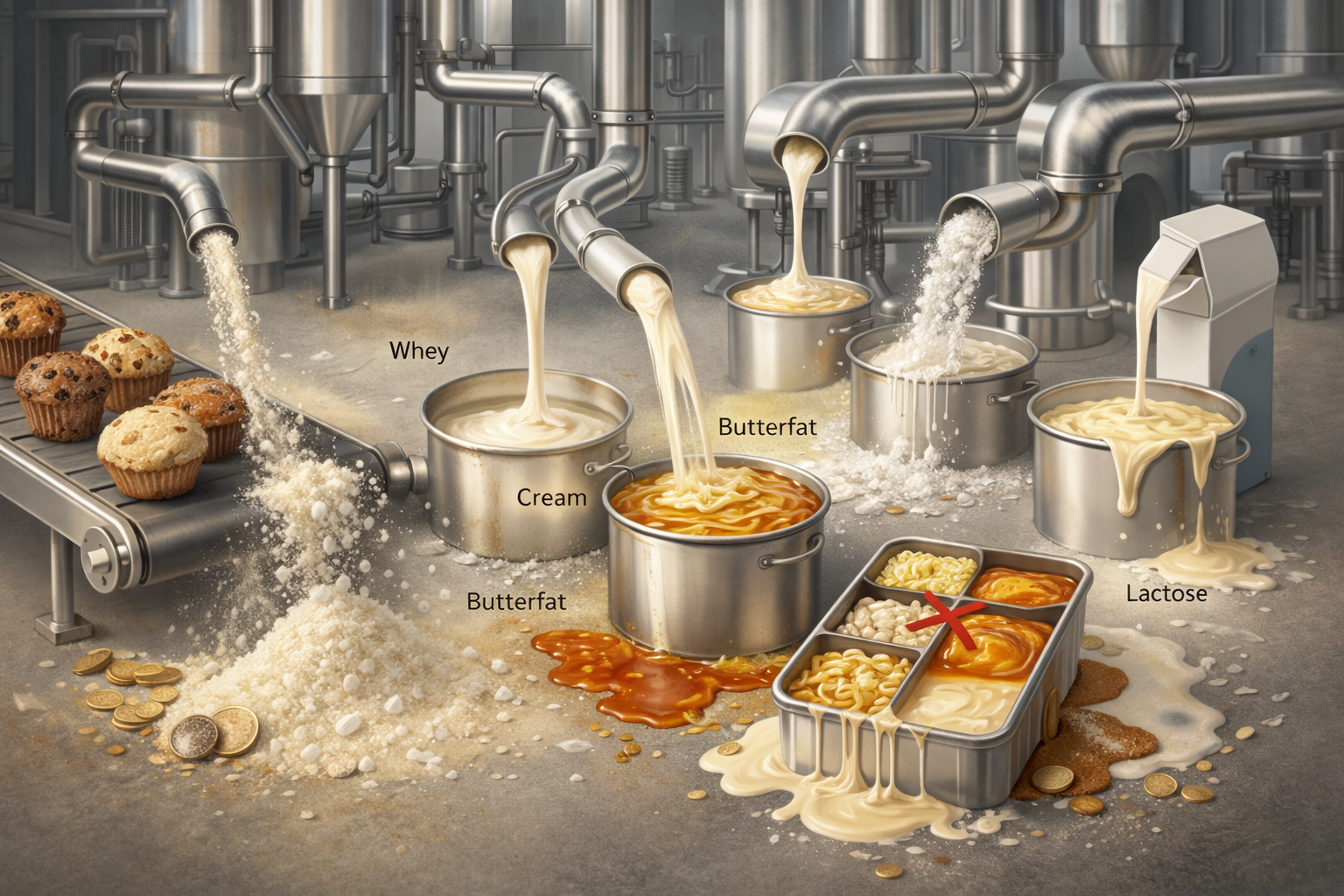
Choosing the right dairy ingredients is not just a technical decision — it is a profit-driven business decision.
From milk powder and whey to butter, cream, and dairy fats, ingredient choices affect everything from production efficiency and product consistency to customer satisfaction and export success.
Yet many food manufacturers unknowingly lose money due to hidden mistakes in dairy ingredient selection. These mistakes rarely show up immediately. Instead, they quietly increase production costs, create quality inconsistencies, slow down manufacturing lines, and in some cases, lead to rejected batches or lost export opportunities.
In this article, we break down the most common dairy ingredient selection mistakes that cost food manufacturers money — and explain how to avoid them with smarter, more strategic decisions.
1. Buying Based on Price Instead of Performance
One of the most common — and expensive — mistakes food manufacturers make is choosing dairy ingredients based solely on the lowest price per kilogram.
At first glance, cheaper milk powder, whey powder, or dairy fat may seem like a smart way to reduce raw material costs. However, low-priced ingredients often come with hidden performance issues, such as:
- Poor or slow solubility
- Inconsistent protein or fat levels
- Higher moisture content
- Variable functional behavior during processing
The Real Cost
When dairy ingredients do not perform as expected, manufacturers often compensate by using higher quantities, extending processing time, or reworking batches. These adjustments increase:
- Raw material consumption
- Energy usage
- Labor costs
- Production downtime
In the end, the “cheaper” ingredient often results in a higher total cost per finished product.
The Solution
Instead of focusing on price alone, evaluate dairy ingredients based on functional performance, consistency, yield, and suitability for your production process. A slightly higher-priced ingredient that performs reliably can significantly reduce waste and operational costs over time.
2. Using the Wrong Type of Milk Powder for the Application
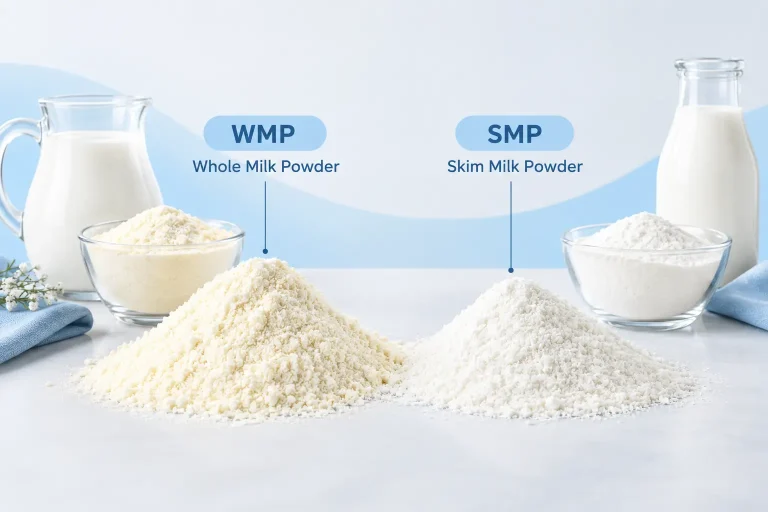
Milk powder is not a one-size-fits-all ingredient. Each type — full-cream milk powder, skim milk powder, instant milk powder, or specialized dairy blends — behaves differently during processing.
Common mistakes include:
- Using full-cream milk powder where skim milk powder is required
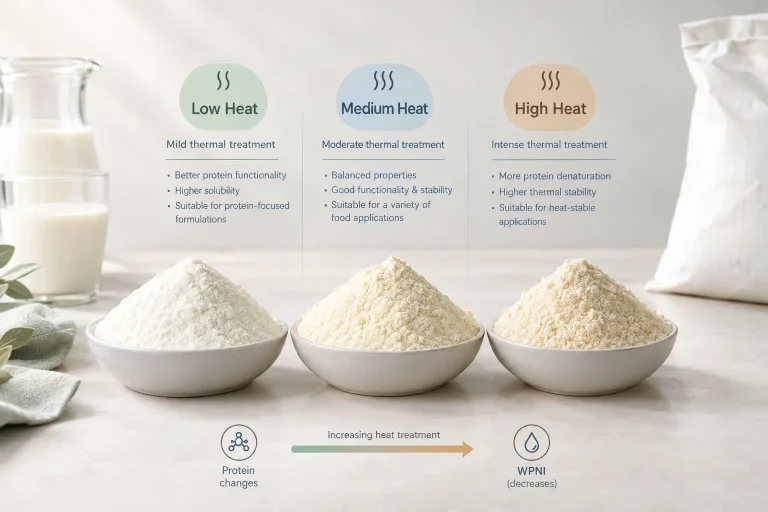
- Ignoring heat stability requirements in high-temperature processing
- Overlooking fat content compatibility with other ingredients
The Real Cost
Using the wrong type of milk powder can lead to:
- Texture defects
- Flavor imbalance
- Phase separation
- Reduced shelf life
- Inconsistent appearance
These issues often force manufacturers to reformulate, discard batches, or deal with customer complaints — all of which directly impact profitability.
The Solution
Milk powder selection should be application-specific. Whether you are producing bakery products, beverages, confectionery, processed cheese, or nutritional supplements, your milk powder specifications must align with your formulation and processing conditions.
3. Ignoring Solubility and Rehydration Behavior
Poor solubility is one of the most underestimated cost drivers in dairy processing — especially in liquid and beverage applications.
Low-quality dairy ingredients may cause:
- Lumping and incomplete dispersion
- Sedimentation or uneven texture
- Extended mixing times
- Production interruptions
The Real Cost
When solubility is poor, manufacturers face:
- Reduced production speed
- Increased energy consumption
- Higher labor costs
- Equipment wear due to prolonged mixing
Over time, these inefficiencies significantly increase production expenses and limit scalability.
The Solution
Choose dairy ingredients with proven instant solubility and fast rehydration behavior, particularly for beverages, sauces, and liquid dairy products. High-quality instantized milk powder and whey can dramatically improve process efficiency and product consistency.
4. Overlooking Batch-to-Batch Consistency
Consistency is critical in food manufacturing. Even small variations in dairy ingredient quality can lead to noticeable differences in the final product.
Many manufacturers fail to properly assess:
- Batch uniformity
- Supplier quality control systems
- Laboratory testing and documentation
The Real Cost
Inconsistent dairy ingredients result in:
- Variable texture and flavor
- Increased formulation adjustments
- Higher rejection rates
- Customer dissatisfaction and loss of trust
For branded products, inconsistency can damage long-term brand reputation — a cost that is difficult to quantify but extremely impactful.
The Solution
Work with suppliers who guarantee stable specifications, rigorous quality control, and documented batch testing. Reliable batch-to-batch consistency reduces risk, improves predictability, and protects brand integrity.
5. Not Considering Export Compliance Early Enough
For manufacturers targeting international markets, export compliance is not optional — it is essential.
A common mistake is selecting dairy ingredients without verifying:
- Export certifications
- Compliance with destination market regulations
- Approved ingredient status in target countries
The Real Cost
Non-compliant ingredients can lead to:
- Delayed shipments
- Customs rejections
- Product recalls
- Lost distribution contracts
These issues not only create financial losses but also damage relationships with international partners.
The Solution
Select dairy ingredients that are export-ready from the beginning. Ensure they comply with international standards and meet the regulatory requirements of your target markets, such as the Middle East, Central Asia, or other export destinations.
6. Choosing Suppliers Without Technical Support
Many ingredient suppliers focus only on sales, offering little to no technical assistance after delivery.
Without technical support, manufacturers often struggle with:
- Trial-and-error formulation
- Extended R&D timelines
- Slow problem resolution during production
The Real Cost
Lack of technical support leads to:
- Increased development costs
- Delayed product launches
- Reduced competitiveness in the market
In fast-moving food markets, delays can mean missed opportunities and lost revenue.
The Solution
Partner with suppliers who offer technical guidance, application knowledge, and problem-solving support. A supplier who understands your production process can help optimize formulations, troubleshoot issues, and improve overall efficiency.
7. Ignoring Storage Stability and Shelf-Life Performance
Another overlooked mistake is failing to consider how dairy ingredients behave during storage — especially in varying climate conditions.
Poor-quality dairy ingredients may:
- Absorb moisture
- Lose functionality over time
- Develop off-flavors
The Real Cost
Storage-related issues increase:
- Inventory losses
- Quality complaints
- Supply chain inefficiencies
This is particularly critical for manufacturers operating in warm or humid regions.
The Solution
Select dairy ingredients with stable shelf-life performance, appropriate packaging, and clear storage guidelines. Proper storage stability ensures consistent quality from delivery to production.
Final Thoughts: Smart Ingredient Choices Protect Your Profit
Dairy ingredient selection is not a minor purchasing task — it is a strategic decision that directly affects cost control, product quality, scalability, and market success.
By avoiding these common mistakes and working with reliable, technically capable, and export-focused suppliers, food manufacturers can:
- Reduce raw material waste
- Improve product consistency
- Increase production efficiency
- Shorten development cycles
- Protect long-term profitability
In today’s competitive food industry, smart dairy ingredient choices are not just about quality — they are about sustainable growth and financial resilience.
Choosing the right dairy ingredients today prevents expensive problems tomorrow.