The Future of the Milk Powder Industry: Trends, Challenges, and Opportunities Beyond 2025
Introduction: A Quiet Giant of the Global Food System
Milk powder is often treated as a background ingredient—rarely visible to consumers, yet deeply embedded in the global food system. From bakery and confectionery to infant nutrition, sports supplements, clinical foods, and emergency aid programs, milk powder plays a critical role in feeding billions of people worldwide.
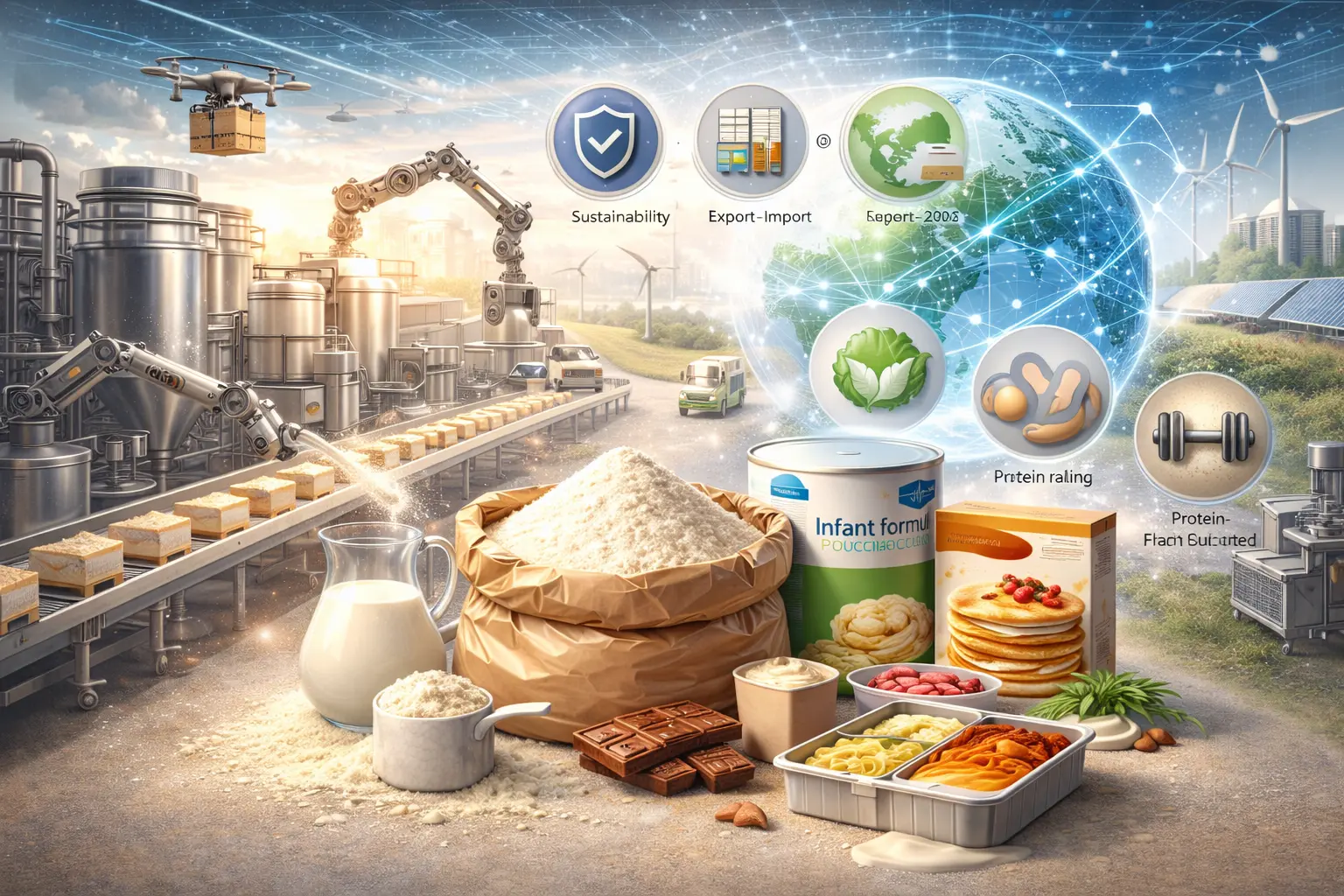
As we move beyond 2025, the milk powder industry is no longer defined solely by volume and price. Instead, it is being reshaped by structural changes in global supply chains, sustainability pressures, technological innovation, shifting consumer expectations, and geopolitical realities.
This article explores the future of the milk powder industry, focusing on where the market is heading, what challenges manufacturers and buyers face, and which opportunities will define success in the coming years.
1. Global Milk Powder Market: From Commodity to Strategic Ingredient
For decades, milk powder was largely viewed as a commodity—priced by global auctions, traded in bulk, and differentiated mainly by fat and protein content.
That era is ending.
A Shift in Industry Mindset
Food manufacturers today no longer ask only:
- “How cheap is this milk powder?”
They increasingly ask:
- How stable is the supply?
- How consistent is the quality?
- How flexible is the formulation?
- How compliant is it with export regulations?
- How sustainable is the sourcing?
Milk powder is becoming a strategic input, not just a raw material.
2. Supply Chain Fragmentation Is Redefining the Market
Post-Pandemic Reality
Global supply chains have not “returned to normal.” Instead, they have become more fragmented and regionalized.
Key developments include:
- Reduced reliance on single-origin suppliers
- Increased regional stockpiling
- Long-term contracts over spot-market buying
Milk powder fits perfectly into this new model due to its long shelf life and transport efficiency.
Strategic Stocking and Risk Management
Manufacturers are now using milk powder to:
- Buffer against fresh milk shortages
- Mitigate geopolitical and climate risks
- Maintain production continuity during disruptions
In many regions, milk powder is treated as insurance for production stability.
3. Sustainability Pressures Are Reshaping Production Decisions
Environmental Scrutiny on Dairy
Dairy is under increasing environmental pressure, particularly around:
- Water usage
- Methane emissions
- Energy consumption
- Food waste
While milk powder production is energy-intensive, lifecycle analyses increasingly show that powdered dairy systems can outperform liquid milk systems when waste, transport, and refrigeration are considered.
Powdered Milk and Waste Reduction
Milk powder contributes to sustainability by:
- Reducing spoilage losses
- Extending the usable life of milk solids
- Allowing better matching of supply and demand
For manufacturers facing ESG reporting requirements, milk powder offers greater environmental control than fresh milk.
4. Technology Is Transforming Milk Powder Quality
Advances in Drying and Agglomeration
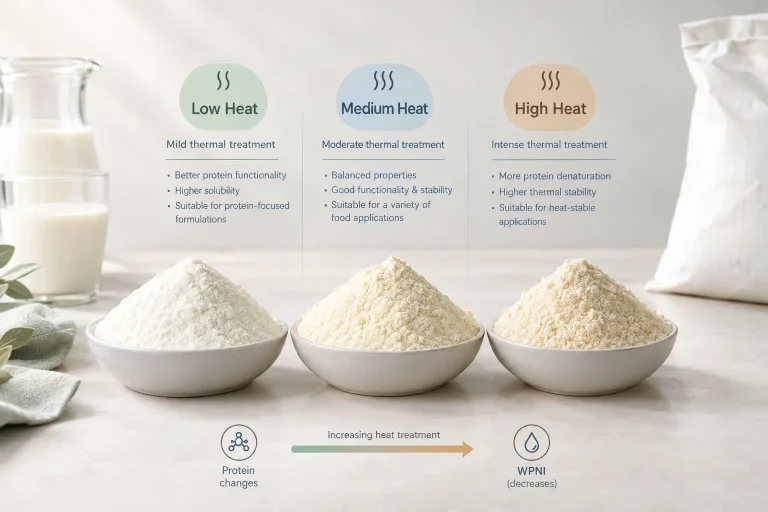
Modern spray-drying, agglomeration, and instantizing technologies have significantly improved milk powder functionality.
Today’s high-quality milk powders offer:
- Superior solubility
- Improved heat stability
- Better flavor retention
- Lower oxidation rates
These improvements have expanded the use of milk powder into applications that were previously unsuitable.
Custom Functional Milk Powders
Suppliers now produce application-specific milk powders, such as:
- High-heat bakery powders
- Beverage-grade instant powders
- High-protein nutritional blends
- Low-lactose and lactose-free variants
This marks a shift from standardized commodities to tailored functional ingredients.
5. Protein-Centric Demand Is Fueling Market Growth
Rise of High-Protein Products
Global demand for protein-rich foods continues to rise due to:
- Aging populations
- Sports and fitness culture
- Medical and clinical nutrition needs
- Weight management trends
Milk powders such as:
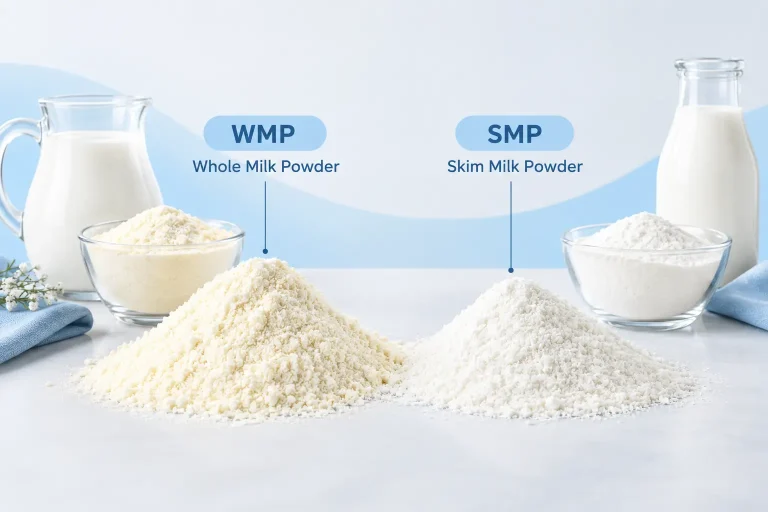
- Skim Milk Powder (SMP)
- Milk Protein Concentrate (MPC)
- Milk Protein Isolate (MPI)
are increasingly used as primary protein sources, not just dairy flavor carriers.
Milk Powder vs. Alternative Proteins
Despite growth in plant-based proteins, milk-derived proteins remain dominant in:
- Bioavailability
- Amino acid completeness
- Functional performance
As a result, milk powder remains central to protein formulation strategies.
6. Regulatory Complexity Is Favoring Powdered Ingredients
Export-Oriented Manufacturing
Food producers serving international markets face:
- Stricter labeling laws
- Higher traceability requirements
- Tighter microbiological standards
Milk powder offers advantages because it provides:
- Stable nutritional values
- Predictable composition
- Easier compliance documentation
For exporters, powdered milk simplifies regulatory navigation across borders.
Infant and Clinical Nutrition Standards
In sensitive categories such as infant formula and medical nutrition, powdered milk remains indispensable due to:
- Precision in formulation
- Controlled microbiological profiles
- Long-term storage safety
7. Emerging Markets Are Driving Demand Growth
Population Growth and Urbanization
Regions such as:
- Middle East
- Africa
- Central and South Asia
are experiencing rapid population growth and urbanization, increasing demand for shelf-stable dairy ingredients.
Milk powder is often preferred in these regions due to:
- Limited cold-chain infrastructure
- Climate challenges
- Import dependency
Government and Institutional Demand
Milk powder is widely used in:
- School feeding programs
- Emergency food aid
- Military and humanitarian supply chains
These institutional uses create stable, long-term demand independent of consumer trends.
8. Challenges Facing the Milk Powder Industry
Despite its strengths, the industry faces real challenges.
Price Volatility
Global milk powder prices remain sensitive to:
- Weather conditions
- Feed costs
- Energy prices
- Currency fluctuations
Manufacturers must invest in:
- Risk hedging
- Diversified sourcing
- Long-term supplier partnerships
Perception Issues
In some markets, milk powder still suffers from:
- Outdated quality perceptions
- Consumer mistrust due to past scandals
- Misunderstanding of reconstituted dairy
Education and transparency are critical to addressing these concerns.
9. The Role of Branding and Transparency
Milk powder is no longer anonymous.
Buyers increasingly demand:
- Clear origin information
- Traceability documentation
- Consistent batch performance
Suppliers that invest in:
- Quality storytelling
- Technical documentation
- Transparent communication
are gaining a competitive edge in B2B markets.
10. What the Next Decade Will Likely Bring
Looking ahead, several trends are expected to shape the milk powder industry:
- Greater specialization of milk powder types
- Increased regional production hubs
- Stronger focus on sustainability metrics
- Integration of digital quality monitoring
- Continued dominance in protein-focused applications
Milk powder will not replace liquid milk entirely—but its role will become more strategic, more technical, and more valuable.
Final Thoughts: Milk Powder as a Cornerstone of Future Food Systems
The future of the milk powder industry is not about volume growth alone. It is about resilience, control, and adaptability.
In a world defined by uncertainty—climate risks, supply disruptions, regulatory complexity, and shifting consumer demands—milk powder offers something increasingly rare: predictability.
For manufacturers, traders, and ingredient buyers who understand its evolving role, milk powder is no longer just a dairy derivative. It is a cornerstone of modern food manufacturing strategy.