Using Skim Milk Powder in Yogurt and Fermented Dairy
A Comprehensive, Practical, and Industry-Focused Guide
Skim milk powder (SMP) is one of the most versatile dairy ingredients in the food industry — particularly in the production of yogurt and fermented dairy products. Though often overlooked in favor of fresh milk, whey proteins, or specialized cultures, SMP plays a critical role in defining product quality, texture, fermentation behavior, cost structure, and manufacturing efficiency.
This article explores the use of skim milk powder in yogurt and fermented dairy from all angles: functional roles, formulation strategies, fermentation dynamics, sensory outcomes, economic implications, logistical advantages, and quality control considerations. Whether you are a product developer, technical buyer, or production manager in the dairy industry, this comprehensive guide will help you understand why SMP is more than just “milk powder” — it is a highly functional ingredient with strategic value.
What Is Skim Milk Powder?
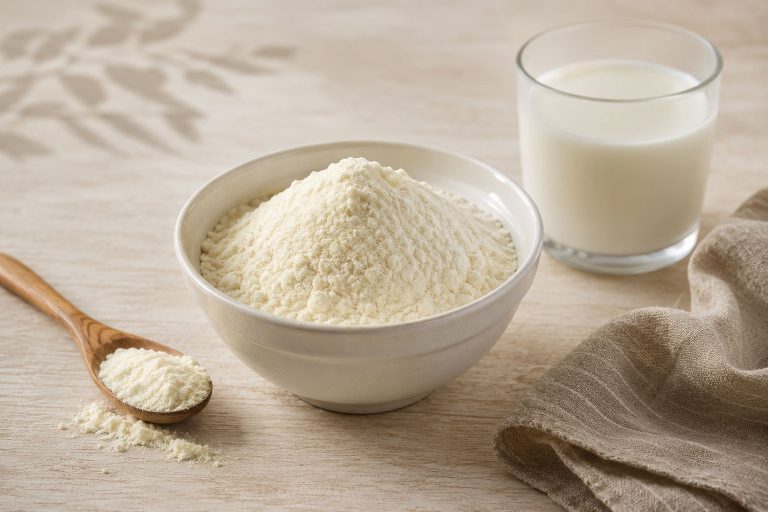
Skim milk powder is derived from fresh milk by removing most of the fat, followed by evaporation and spray drying. The resulting powder typically contains:
- High protein content (casein + whey)
- Lactose
- Minerals
- Minimal fat (usually <1.5%)
This low-fat composition makes SMP particularly suited for applications where precise control over solids, protein, and fermentation behavior is needed — such as yogurt, kefir, labneh, buttermilk, and other fermented dairy products.
Why Use Skim Milk Powder in Fermented Dairy?
1. Controlled Protein and Solids Content
One of the most significant benefits of SMP is its ability to standardize milk solids without introducing additional fat. In fermented dairy production, solids non-fat (SNF) is a critical parameter that affects:
- Fermentation rate
- Final acidity
- Texture and viscosity
- Syneresis (whey separation)
Adding SMP allows manufacturers to target a specific SNF level consistently, even when raw milk quality varies due to seasonality or supplier differences.
2. Enhanced Texture and Body
Skim milk powder influences the textural profile of yogurt and similar products in multiple ways:
- Increases gel strength
- Enhances water binding
- Reduces syneresis
- Improves mouthfeel in low-fat and reduced-fat formulations
Proteins from SMP interact with starter cultures and milk casein to form a stronger protein network during fermentation. This results in thicker, creamier yogurt even when fat is absent or minimal.
3. Consistent Fermentation Dynamics
In yogurt and fermented dairy, fermentation kinetics are sensitive to the available lactose and protein matrix. SMP:
- Provides additional lactose substrate for starter cultures
- Balances protein to lactose ratio
- Promotes a controlled acidification curve
Uneven or unpredictable acid development can lead to off-textures, excessive whey separation, or slow fermentation. SMP helps standardize fermentation performance across batches.
4. Economic and Logistical Benefits
From a manufacturing perspective, SMP offers:
- Lower cost per unit of dry solids compared to liquid milk
- Simplified inventory management
- Reduced need for cold-chain storage
- Increased flexibility for remote or export-oriented production
Reducing reliance on fresh milk alone can significantly cut raw material and logistics costs — especially in markets where fresh milk supply is seasonal, expensive, or inconsistent.
5. Versatility Across Product Formats
SMP is not limited to traditional stirred yogurt. It is widely used in:
- Greek and strained yogurt
- Drinkable yogurt
- Probiotic and bio-active formulations
- Fermented dairy beverages (e.g., ayran, lassi, kefir)
- Ethnic and functional dairy products
Its functional versatility explains why SMP is a staple in global dairy manufacturing.
SMP and Yogurt: Functional Mechanisms Explained
To understand how SMP improves yogurt quality, it’s useful to examine specific functional roles:
Protein Matrix Reinforcement
During fermentation, casein micelles aggregate and form a three-dimensional gel network. Higher protein levels — achieved by adding SMP — result in a denser, more cohesive structure. This translates to:
- Higher viscosity
- Reduced whey separation
- Firmer body
When protein is low, the network is weak, leading to watery or grainy textures.
Water Binding and Syneresis Control
One common challenge in yogurt production is syneresis (whey separation). SMP improves water retention by:
- Increasing available protein sites for water binding
- Enhancing gel cohesion
- Reducing free water that can pool at the surface
This is especially critical in strained and high-protein yogurts, where consumers expect a dense, smooth texture.
Heat Stability and Processing Behavior
Reconstituted skim milk containing SMP responds differently to heat treatment compared to fresh milk. In industrial processing, proper heat treatment is essential for:
- Denaturing whey proteins
- Strengthening casein interactions
- Improving microbial safety
SMP allows for precise control of heat treatment because its composition is consistent, unlike fresh milk, which can vary from batch to batch.
Formulation Strategies with Skim Milk Powder
1. Targeting Solids Non-Fat (SNF) Levels
Yoghurt manufacturers often aim for SNF in the range of 10–12% for standard products, and 12–14% or higher for Greek yogurt or high-protein formats. SMP is used to elevate SNF without upping fat content.
2. Balancing Lactose and Protein Ratios
Starter cultures need lactose as a fermentable sugar, but excessive lactose can lead to overly acidic products. Proper SMP addition ensures a balanced ratio that:
- Supports steady fermentation
- Prevents over-acidification
- Avoids textural defects
3. Layered Functional Ingredients
In advanced formulations, SMP is often used alongside:
- Milk protein concentrates (MPC)
- Whey protein concentrates (WPC)
- Stabilizers (e.g., pectin, gums)
- Probiotic cultures
This layered strategy allows formulators to fine-tune texture, mouthfeel, and functional claims (e.g., high protein, probiotic efficacy).
Production Challenges and Solutions
Challenge: Clumping and Poor Reconstitution
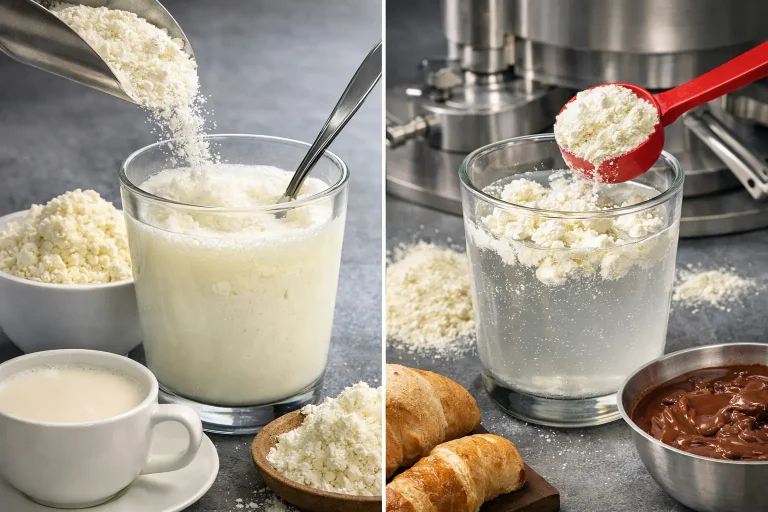
Improper dispersion of SMP can cause clumps or inconsistent hydration.
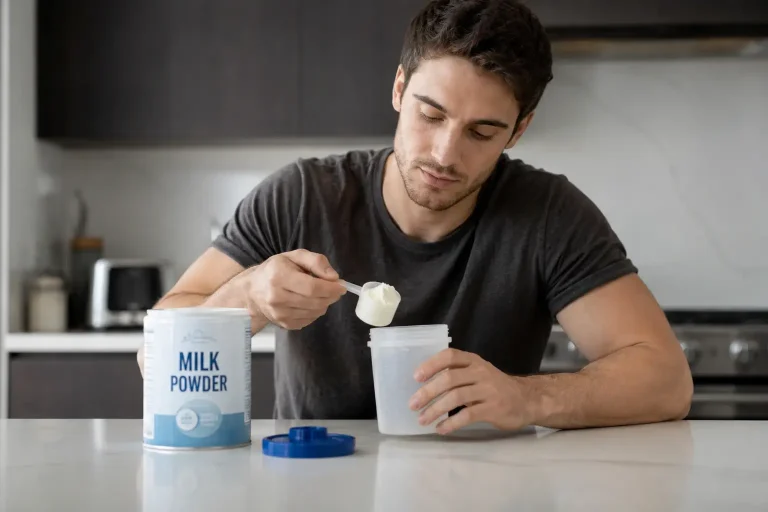
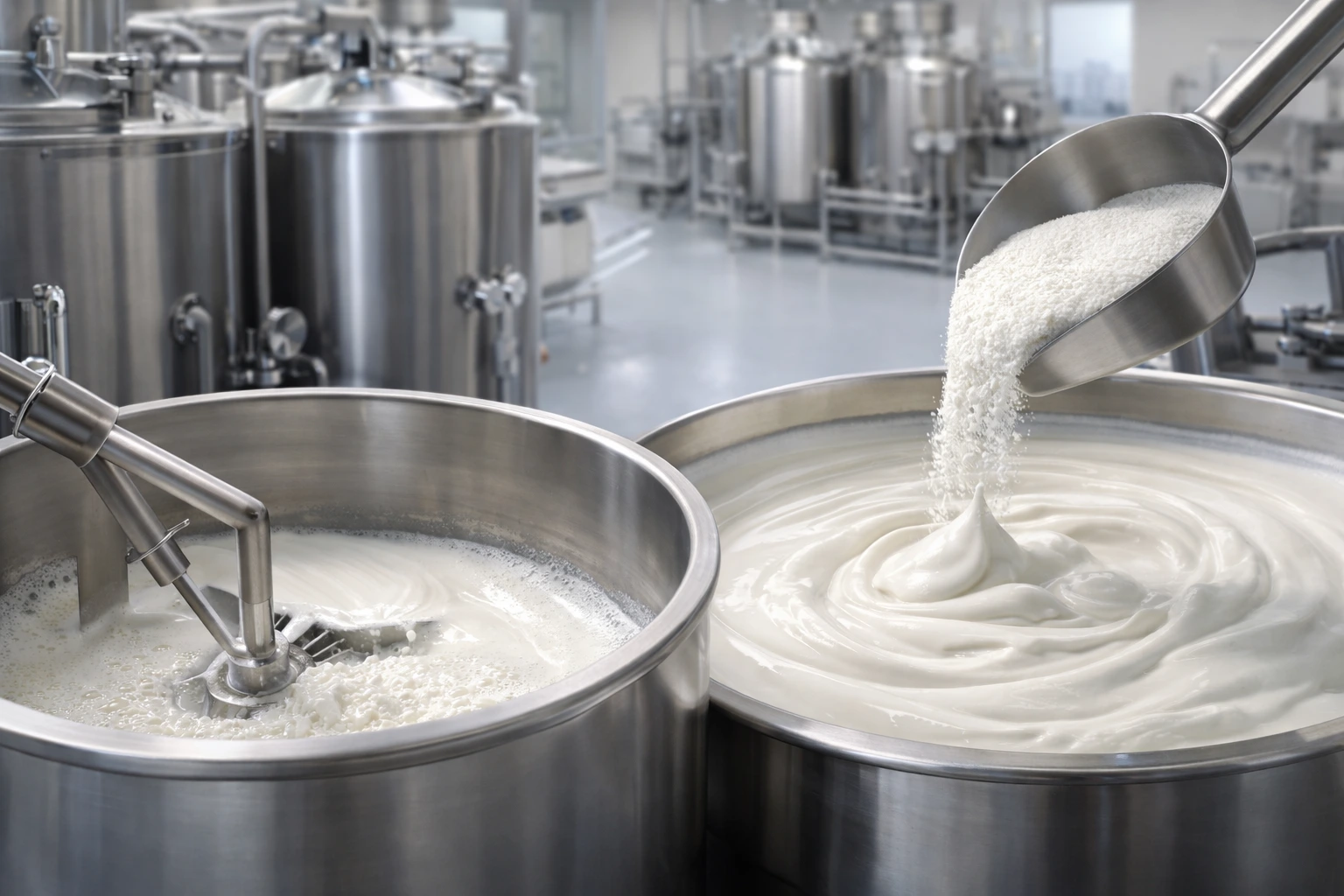
Solution: Use high-shear mixing and controlled hydration steps. Some manufacturers opt for instantized SMP for rapid wetting.
Challenge: Unpredictable Acidification
Starter cultures may ferment too fast or too slow if the SMP-adjusted base is not properly balanced.
Solution: Conduct laboratory trials to fine-tune SMP addition based on culture performance and product profile.
Challenge: Flavor and Mouthfeel in Low-Fat Products
Increasing protein with SMP can lead to a “chalky” or “dry” mouthfeel if not balanced.
Solution: Combine SMP with emulsifiers, fat replacers, or whey proteins to improve sensory quality.
Quality Control Considerations
When sourcing and using SMP, manufacturers should monitor:
- Moisture content
- Protein content
- Solubility index
- Bulk density
- Microbiological safety
Regular evaluation ensures consistent performance, especially in high-volume production.
Case Studies: SMP in Different Dairy Formats
Greek Yogurt
Greek yogurt requires high solids and minimal syneresis. SMP allows standardization of:
- Protein content
- Texture strength
- Water retention
Many Greek yogurt lines rely on SMP to achieve their signature thickness without adding fat.
Drinking Yogurt & Fermented Beverages
For drinkable formats, SMP helps:
- Maintain stable viscosity
- Prevent separation
- Support cold storage consistency
Probiotic Formulations
SMP provides a consistent substrate for probiotic cultures, making fermentation more predictable and supporting claims of viability.
Regulatory and Labeling Insights
SMP is a clean dairy ingredient with strong consumer recognition. In many markets, it supports clean-label positioning when declared simply as “skim milk powder,” especially when paired with minimal stabilizers.
Labeling must, of course, comply with local regulations (e.g., ingredient listing, allergen declarations).
Economic Impact & Supply Chain Benefits
Long Shelf Life
SMP’s extended shelf life (12–24 months) reduces:
- Waste
- Storage costs
- Supply chain risk
This is especially valuable in export-oriented dairy manufacturing.
Cost-Effectiveness
Compared to using fresh milk alone, SMP delivers:
- Lower logistics costs
- Reduced dependency on cold chain
- Greater control over cost per unit of solids
Conclusion: SMP as a Core Ingredient in Yogurt & Fermented Dairy
Skim milk powder is more than a filler — it is a functional powerhouse in the fermentation landscape. Its ability to standardize formulation, enhance texture, regulate fermentation, and improve production efficiency makes it indispensable for modern dairy manufacturers.
In an industry driven by consistency, scalability, and consumer expectations for quality, SMP’s versatility helps bridge the gap between formulation goals and operational realities.