The Hidden Power of Milk Powder in Modern Food Production
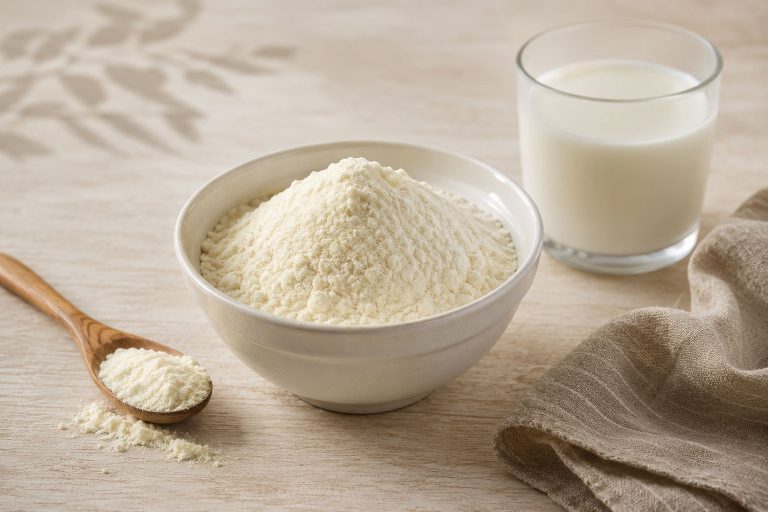
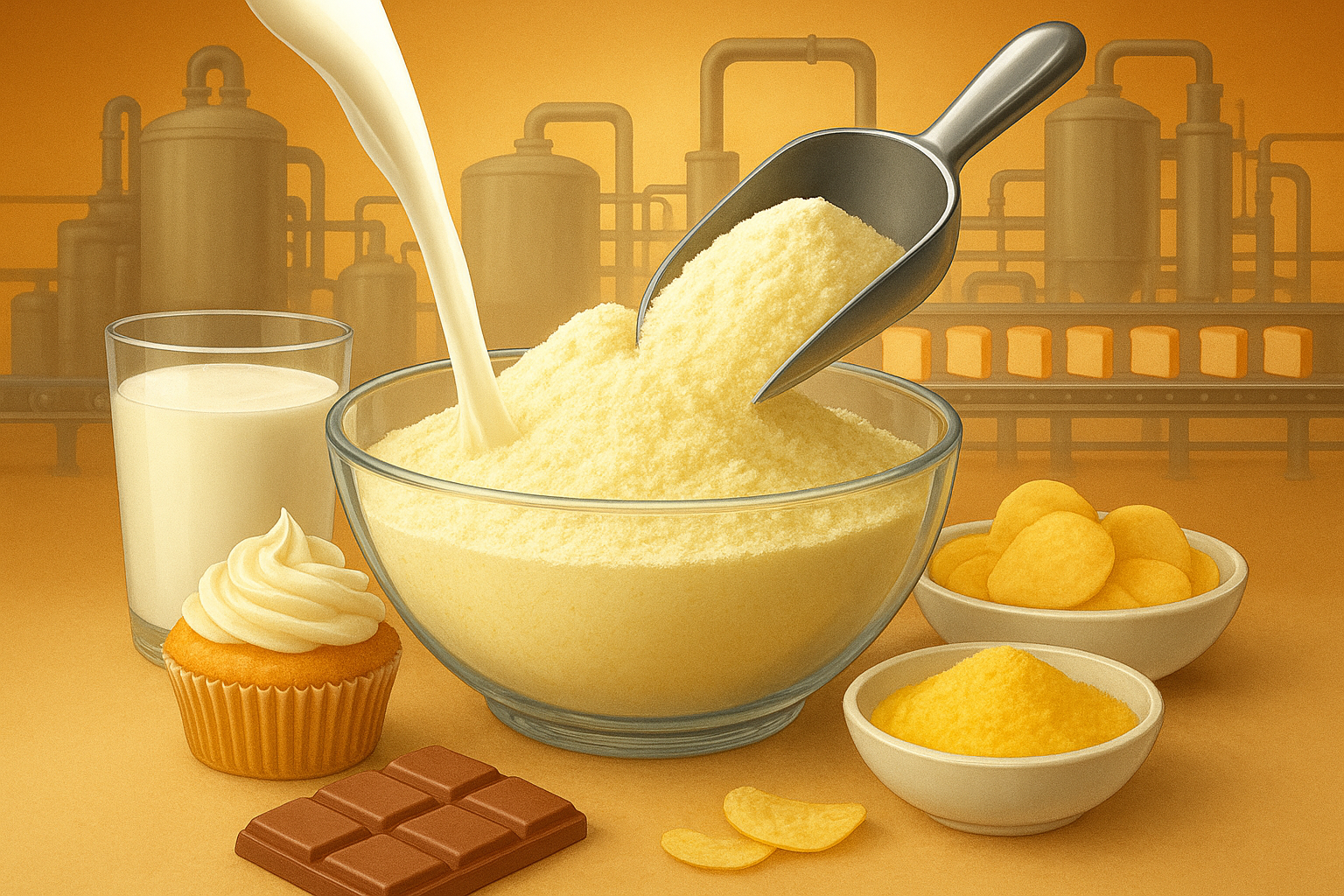
Milk powder is often perceived as a simple dehydrated version of fresh milk. However, in modern food production, it represents far more than a convenient dairy alternative. In fact, milk powder has become a strategic ingredient that quietly powers efficiency, innovation, and scalability across the global food industry. From industrial bakeries and confectionery lines to functional beverages and nutritional products, milk powder plays a central role in shaping product quality, stability, and performance.
As food systems grow more complex and demand for consistency increases, manufacturers increasingly rely on milk powder not merely as a replacement for liquid milk, but as a functional, nutritional, and economic solution. Understanding its hidden capabilities is therefore essential for anyone involved in modern food formulation.
Extended Shelf Life: A Strategic Advantage
One of the most well-known advantages of milk powder is its extended shelf life. Unlike liquid milk, which requires refrigeration and has a limited usable window, milk powder can remain stable for months—or even years—when stored under appropriate conditions. As a result, manufacturers gain far greater control over inventory management.
Moreover, this stability significantly reduces product loss due to spoilage. Consequently, companies can plan production cycles more efficiently, especially in regions where cold-chain infrastructure is limited or unreliable. In developing markets, this advantage becomes even more critical, as milk powder allows access to dairy nutrition without dependence on continuous refrigeration.
In addition, extended shelf life enables manufacturers to hedge against seasonal fluctuations in raw milk supply. During periods of surplus, fresh milk can be converted into powder and stored for later use. Therefore, milk powder acts as both a buffer and a stabilizer within the dairy supply chain.
Functional Versatility Across Food Applications
Beyond storage benefits, milk powder offers remarkable functional versatility. Its behavior in food systems makes it an indispensable tool for formulators seeking consistency and performance.
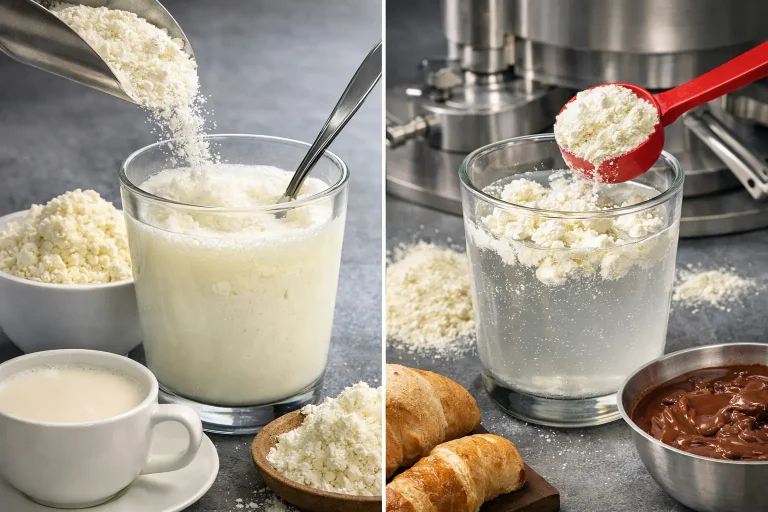
For example, in baked goods, milk powder improves dough handling, enhances Maillard browning, and contributes to moisture retention. As a result, products such as bread, cakes, and biscuits achieve better texture, color, and shelf life. Furthermore, the lactose and proteins in milk powder support yeast activity, which directly improves volume and crumb structure.
Meanwhile, in confectionery applications, milk powder plays a crucial role in controlling viscosity and improving mouthfeel. Chocolate manufacturers rely on it to achieve smoothness and flavor balance. Similarly, in caramels and fillings, milk powder contributes to creamy texture while stabilizing emulsions.
In beverage systems, especially ready-to-drink products, milk powder adds protein and body without overpowering flavor. In addition, instantized milk powders dissolve easily, ensuring uniformity and preventing sedimentation. Therefore, they are widely used in protein shakes, flavored milk drinks, and nutritional beverages.
Furthermore, in sauces, soups, and ready meals, milk powder functions as a natural thickener and flavor carrier. Consequently, manufacturers can achieve consistent texture while maintaining a clean label profile.
Nutritional Density and Standardization
From a nutritional perspective, milk powder is a concentrated source of high-quality dairy nutrients. It contains complete proteins, essential amino acids, calcium, phosphorus, and fat-soluble vitamins, all of which mirror the nutritional profile of fresh milk.
However, unlike liquid milk, milk powder allows for precise standardization. Manufacturers can accurately control protein levels, fat content, and mineral composition. As a result, this ingredient is particularly valuable in applications where nutritional consistency is critical.
For instance, in sports nutrition and medical foods, milk powder serves as a reliable protein base that supports muscle recovery and metabolic health. Moreover, its amino acid profile—especially its leucine content—makes it suitable for performance-focused formulations.
In fortified foods, milk powder increases nutrient density without altering taste, color, or texture. Therefore, it can be seamlessly integrated into products designed for children, seniors, or nutritionally vulnerable populations.
Formulation Flexibility and Customization
Another hidden strength of milk powder lies in its adaptability. Not all milk powders are the same, and manufacturers can choose from a wide range of specifications to meet exact formulation needs.
For example, skim milk powder provides protein and lactose with minimal fat, making it ideal for low-fat or high-protein products. On the other hand, whole milk powder delivers richness and mouthfeel, which is essential in premium baked goods and dairy-based desserts.
Additionally, variations in particle size, solubility, and heat treatment allow formulators to fine-tune performance. Instant milk powders dissolve rapidly, while agglomerated powders improve flowability during processing. Consequently, milk powder becomes not just an ingredient, but a formulation tool.
Furthermore, this flexibility supports innovation. Product developers can experiment with texture, flavor release, and nutritional positioning while maintaining manufacturing efficiency.
Economic Efficiency and Cost Control
From an economic standpoint, milk powder offers clear advantages. Because it is lightweight and compact, transportation costs are significantly lower compared to liquid milk. As a result, international trade becomes more feasible and cost-effective.
Moreover, milk powder reduces dependency on local dairy supply. Manufacturers can source it globally, ensuring price stability and consistent quality. Therefore, it acts as a hedge against market volatility.
In addition, converting surplus milk into powder prevents waste at the farm level. This not only protects margins but also supports long-term sustainability within the dairy ecosystem. Consequently, milk powder contributes to both economic resilience and responsible resource management.
Sustainability and Environmental Impact
Sustainability has become a central concern in modern food production. In this context, milk powder offers several environmental benefits.
First, reduced transportation volume leads to lower fuel consumption and greenhouse gas emissions. Second, longer shelf life minimizes food waste across the supply chain. Third, the ability to store and redistribute dairy nutrients efficiently supports food security.
Moreover, by stabilizing demand for raw milk, milk powder helps smooth production cycles at the farm level. This, in turn, allows better planning and reduced pressure on natural resources.
As sustainability metrics increasingly influence purchasing decisions, these advantages position milk powder as a future-proof ingredient.
Supporting Innovation in Modern Food Systems
Milk powder also plays a critical role in bridging traditional dairy with modern food innovation. While it preserves the core nutritional and sensory qualities of milk, it enables applications that liquid milk simply cannot support.
For example, high-protein bakery products rely on milk powder’s stability under heat and low moisture conditions. Similarly, long-life ready meals depend on its performance during thermal processing and extended storage.
In addition, emerging categories such as functional foods, nutraceuticals, and plant-dairy hybrids increasingly incorporate milk powder for protein enrichment and texture enhancement. Therefore, it acts as a foundation for innovation rather than a legacy ingredient.
Conclusion
Milk powder is far more than a basic dairy substitute. Its true power lies in its shelf stability, functional performance, nutritional density, and formulation flexibility. At the same time, it offers economic and environmental advantages that align with modern sustainability goals.
For food manufacturers, milk powder is not merely a cost-saving option—it is a strategic asset. When used thoughtfully, it enables consistency, scalability, and innovation across a wide range of products. Ultimately, understanding the hidden power of milk powder allows producers to redefine how dairy fits into the future of food production.