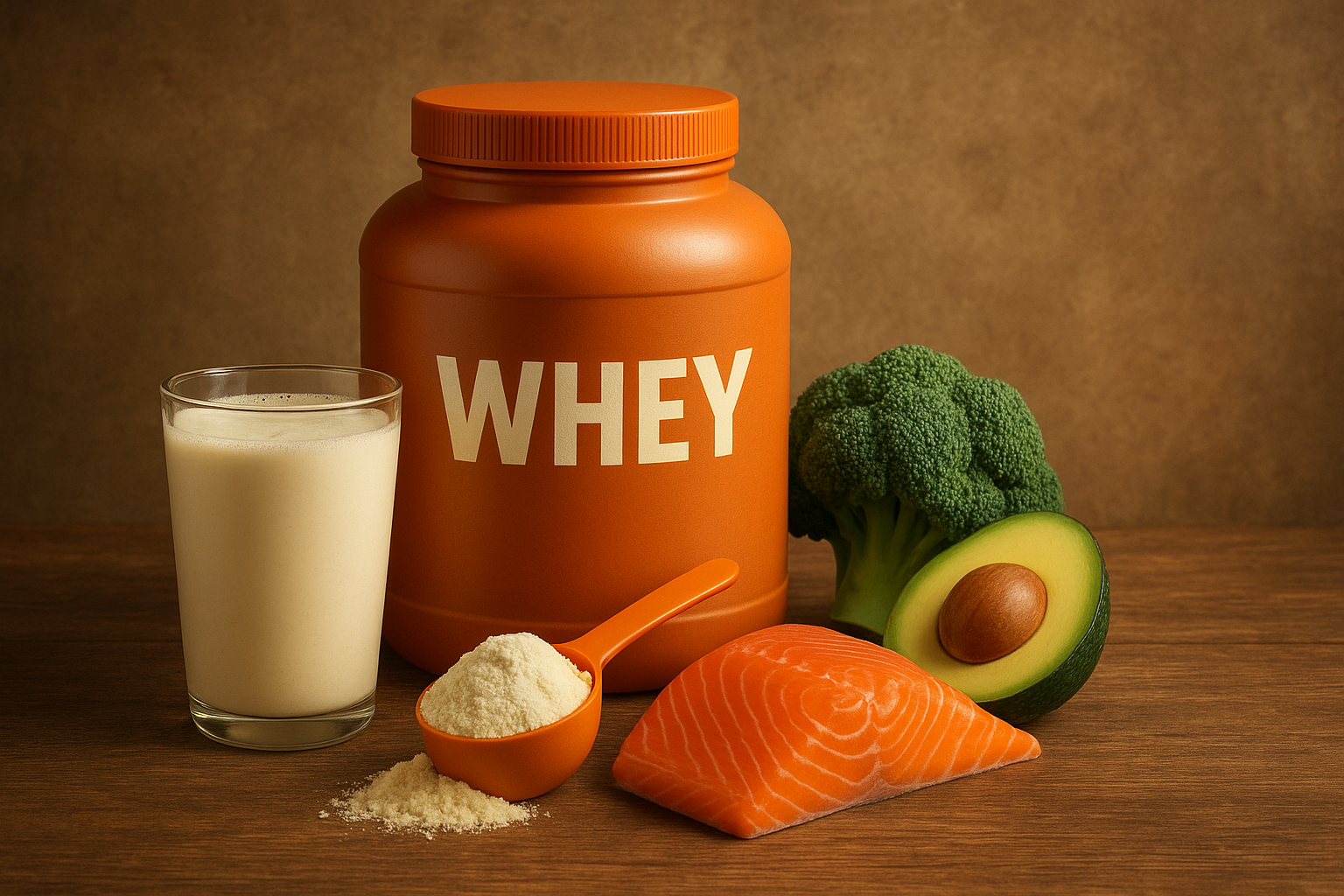
Whey Protein: The Natural Powerhouse for Health and Performance
In the world of modern nutrition, few ingredients have earned the level of trust, scientific backing, and global popularity that whey protein powder enjoys today. What was once considered a by-product of cheese production has evolved into one of the most researched and widely used protein sources in the world. From elite athletes and fitness enthusiasts to busy professionals, seniors, and clinical nutrition patients, whey protein now plays a central role in daily health and performance strategies.
Manufacturers extract whey protein from milk during the cheese-making process, then refine it using advanced filtration technologies to preserve its nutritional and functional properties. The result is a high-quality, naturally derived protein that delivers exceptional bioavailability, rapid absorption, and a wide range of health benefits. Today, whey protein is no longer limited to sports supplements; it has become a foundational ingredient across the global food and nutrition industry.
Understanding why whey protein holds such a powerful position requires a closer look at its unique composition, physiological effects, and versatility in both nutrition and food production.
What Makes Whey Protein powder Special?
At its core, whey protein stands out because of its exceptional amino acid profile and superior digestibility. As a complete protein, it contains all nine essential amino acids that the human body cannot synthesize on its own. These amino acids are critical for muscle repair, tissue regeneration, enzyme production, and overall metabolic health.
What truly sets whey protein apart, however, is its high biological value (BV). Biological value measures how efficiently the body can absorb and utilize a protein source. Whey protein consistently scores higher than most other proteins, including plant-based alternatives and even some animal-derived proteins. This means that a greater proportion of the protein consumed is actually used by the body rather than excreted.
In addition, whey protein is rich in branched-chain amino acids (BCAAs), particularly leucine, isoleucine, and valine. Among these, leucine plays a critical role in activating muscle protein synthesis through the mTOR signaling pathway. This makes whey protein especially effective for muscle growth, strength development, and recovery after physical stress.
Scientific institutions such as the National Institutes of Health (NIH) and Harvard Health Publishing consistently recognize whey protein as one of the most complete and bioavailable protein sources available for human nutrition.
Fast Digestion and Superior Absorption
Another defining characteristic of whey protein is its rapid digestion rate. Unlike slower-digesting proteins such as casein, whey protein is quickly broken down into amino acids and absorbed into the bloodstream. This rapid delivery makes it particularly valuable in situations where the body requires immediate nutritional support.
For example, after resistance training or endurance exercise, muscles experience micro-damage and glycogen depletion. During this window, often referred to as the “post-workout anabolic window,” fast access to amino acids significantly improves recovery and adaptation. Whey protein meets this need efficiently, supplying muscles with the building blocks required for repair and growth.
Beyond athletic contexts, fast digestion also benefits individuals with higher protein needs, such as older adults, patients recovering from illness, or people with reduced digestive efficiency. In these cases, whey protein provides high-quality nutrition without placing excessive strain on the digestive system.
Performance, Strength, and Muscle Recovery
For decades, athletes and fitness professionals have relied on whey protein as a cornerstone of performance nutrition. Its ability to stimulate muscle protein synthesis, reduce muscle breakdown, and accelerate recovery makes it one of the most effective tools for improving physical performance.
Research consistently shows that regular whey protein intake, particularly when combined with resistance training, leads to greater increases in lean muscle mass and strength compared to lower-quality protein sources. Additionally, whey protein helps reduce delayed onset muscle soreness (DOMS), allowing athletes to train more frequently and maintain higher training intensity.
Importantly, these benefits are not limited to bodybuilders or professional athletes. Recreational exercisers, endurance athletes, and even individuals engaged in physically demanding occupations can benefit from improved recovery, reduced fatigue, and better overall performance.
Health Benefits Beyond Muscle Growth
While whey protein is widely associated with fitness, its health benefits extend far beyond muscle building. One of its lesser-known strengths lies in immune system support. Whey protein contains bioactive compounds such as lactoferrin, immunoglobulins, and alpha-lactalbumin, which contribute to immune defense and gut health.
These components help regulate inflammation, support healthy gut microbiota, and enhance the body’s natural resistance to infections. As a result, whey protein is often included in medical nutrition products and recovery diets.
Whey protein also plays a role in metabolic health. Studies indicate that it can improve insulin sensitivity and help regulate blood glucose levels, making it beneficial for individuals managing type 2 diabetes or metabolic syndrome. Furthermore, its high satiety effect supports weight management by reducing appetite and minimizing unhealthy snacking.
For many people, incorporating whey protein into daily meals—such as smoothies, yogurt, or fortified foods—offers a simple way to improve overall dietary quality without major lifestyle changes.
How to Incorporate Whey Protein into a Healthy Diet
For most people, adding whey protein to a balanced diet is both simple and effective. Whey protein can be consumed at various times throughout the day, including after exercise, between meals, or as part of breakfast to increase daily protein intake. Many nutrition experts recommend whey protein shakes, smoothies, yogurt, oatmeal, and protein-enriched snacks as convenient ways to support muscle recovery and overall health. The optimal amount depends on factors such as age, activity level, and individual nutritional goals, but whey protein offers a practical solution for individuals seeking a high-quality protein source without excessive calories or preparation. Whether used by athletes, older adults, or people following active lifestyles, whey protein helps ensure adequate protein intake for maintaining muscle mass, supporting metabolism, and promoting long-term wellness.
Understanding the Different Types of Whey Protein
Not all whey protein products are the same. Manufacturers produce whey protein powder in three primary forms, each designed to serve specific nutritional and functional needs.
Whey Protein Concentrate (WPC) typically contains 70–80% protein, along with small amounts of lactose and fat. It retains many of the naturally occurring bioactive compounds found in milk, making it a balanced option for general nutrition and everyday use.
Whey Protein Isolate (WPI) undergoes additional filtration to remove most fats and lactose, resulting in a protein content of 90% or higher. This form is ideal for individuals with lactose intolerance, strict dietary requirements, or higher protein needs.
Hydrolyzed Whey Protein (WPH) is partially pre-digested through enzymatic hydrolysis. This process breaks proteins into smaller peptides, allowing for even faster absorption. As a result, hydrolyzed whey protein is commonly used in clinical nutrition, infant formulas, and high-performance sports applications.
Modern processing technologies ensure that all three forms deliver excellent solubility, clean taste, and consistent quality, making them suitable for a wide range of products.
Whey Protein in Modern Food Production
Beyond supplements, whey protein powder has become an essential ingredient in modern food manufacturing. Its functional properties—such as emulsification, foaming, and water binding—allow it to enhance texture, stability, and mouthfeel across many food categories.
Food manufacturers incorporate whey protein into baked goods to improve structure and moisture retention. In dairy beverages and ready-to-drink products, it adds protein and creaminess without excessive thickness. Nutrition bars and snacks rely on whey protein for both nutritional density and sensory appeal.
In infant and clinical nutrition, whey protein plays a critical role due to its digestibility and amino acid profile. These applications demand strict quality standards, which high-grade whey protein consistently meets.
Brands such as Shahdoosh and other premium dairy suppliers rely on high-quality whey protein to serve health-conscious consumers and industrial clients alike, ensuring performance, safety, and consistency.
Sustainability and the Circular Economy
From a sustainability perspective, whey protein powder represents a success story in the food industry. Historically, whey was treated as waste during cheese production, often posing environmental challenges. Today, advanced separation and drying technologies transform whey into a high-value nutritional ingredient.
This shift significantly reduces food waste and improves overall dairy efficiency. By converting by-products into functional nutrition, whey protein supports a circular economy model where resources are used more responsibly and effectively.
Additionally, whey protein’s high nutritional density means that smaller quantities deliver significant benefits, further reducing environmental impact compared to less efficient protein sources.
The Growing Global Demand for Whey Protein
Global demand for whey protein continues to rise, driven by trends such as active lifestyles, aging populations, increased focus on preventive health, and growth in functional foods. As consumers become more educated about protein quality, whey protein’s scientific credibility gives it a clear advantage.
At the same time, manufacturers increasingly value ingredients that offer both nutritional and functional benefits. Whey protein fits this need perfectly, making it a cornerstone of future food innovation.
Conclusion
Whey protein powder is far more than a fitness supplement. It is a scientifically validated, naturally derived powerhouse that supports muscle recovery, immune health, metabolic balance, and sustainable food production. Its versatility allows it to serve athletes, everyday consumers, and food manufacturers with equal effectiveness.
As nutrition science continues to evolve, whey protein remains a gold standard—combining performance, health, and sustainability in a single ingredient. For those seeking a smart, functional approach to modern nutrition, whey protein continues to set the benchmark for health and performance in an ever-changing global market.