The Hidden Power of Milk Powder in Modern Food Production
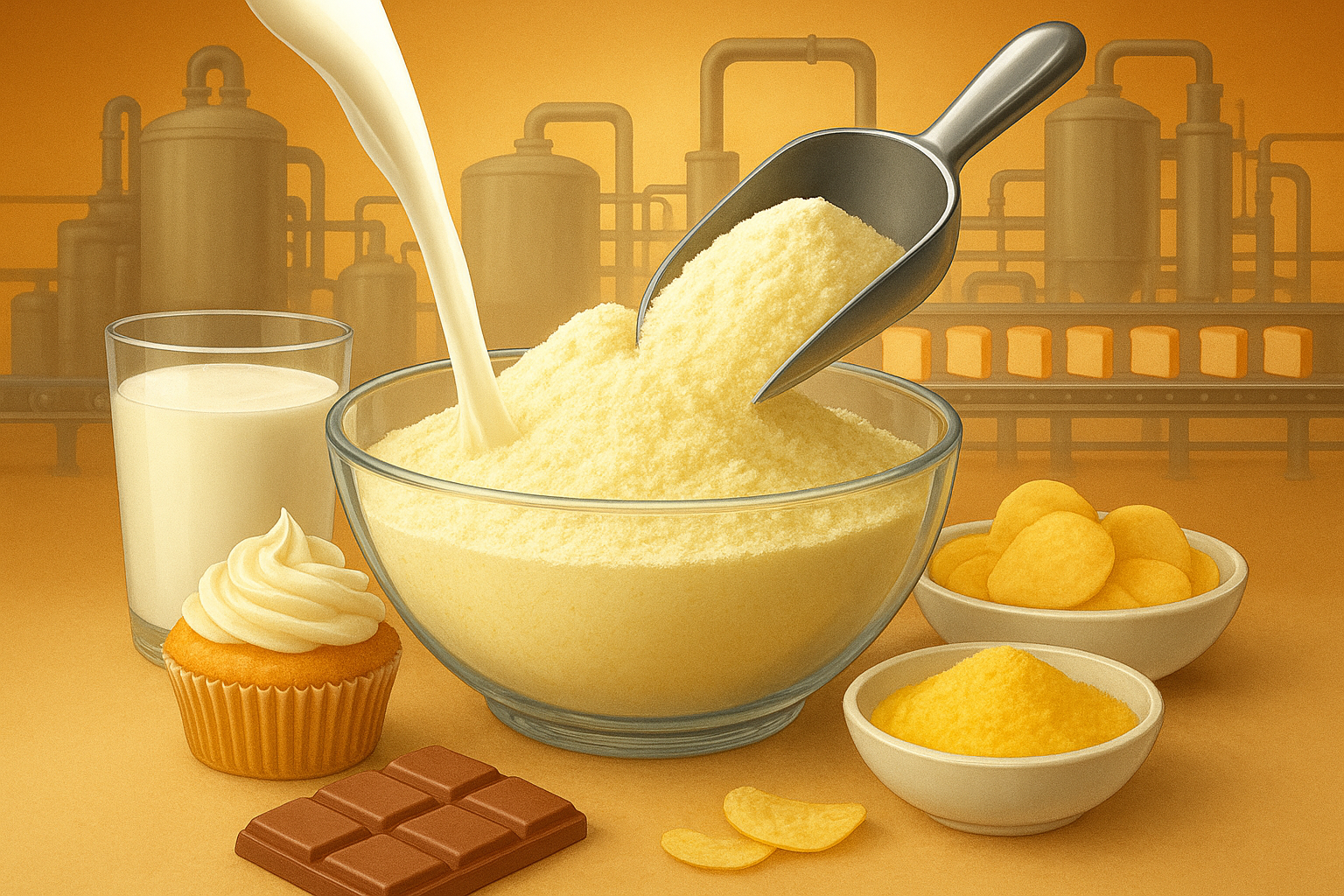
Milk powder is often seen as a simple dry dairy product. In reality, it plays a powerful role in modern food production. Its impact goes far beyond replacing liquid milk. It adds versatility, improves nutrition, and enhances functionality. These benefits appear across a wide range of food products. From industrial bakeries to nutraceuticals, this ingredient quietly improves quality, stability, and sustainability in today’s food systems.
Extended Shelf Life: The Key Advantage
One of the greatest strengths of milk powder is its long shelf life. Unlike liquid milk, it does not require refrigeration. It also stays stable for months without losing quality. This advantage goes beyond simple storage. It helps manufacturers manage supply chains more efficiently. It also reduces waste and supports steady production. In regions with limited cold storage, this feature becomes even more valuable. It allows high-quality dairy nutrition to reach more consumers.
Functional Versatility Across Food Applications
Beyond storage benefits, this dairy ingredient offers impressive functional versatility. It improves texture, moisture retention, and browning in baked goods. These effects are well known in the baking industry. It also enhances mouthfeel and product stability. In confectionery, it smooths chocolate and improves creaminess. It also helps stabilize emulsions in complex recipes. In beverages, it adds protein, body, and stability. It does so without changing the original flavor. In ready-to-eat meals and industrial sauces, it works as a natural thickener. This helps create a consistent texture with a clean taste.
Nutritional Powerhouse
From a nutritional standpoint, this product is highly concentrated. It contains key proteins, calcium, vitamins, and minerals found in fresh milk. These nutrients are easy to measure and standardize. That makes production more precise. In sports nutrition and health supplements, it serves as a reliable protein source. Its amino acid profile supports muscle recovery and overall wellness. When used in fortified foods, it increases nutrient density. It does this without affecting taste or appearance.
Adaptability in Formulation
Another important benefit is formulation flexibility. Producers can adjust fat content, solubility, and granulation. This allows the ingredient to match specific applications. Instant skim variants dissolve quickly in beverages. Whole versions deliver a rich mouthfeel in baked and dairy products. This flexibility turns the ingredient into more than a raw material. It becomes a functional tool for product development.
Environmental and Economic Benefits
Drying milk into powder reduces both weight and volume. This lowers transportation costs significantly. It also helps reduce the carbon footprint. Producers can also turn surplus milk into a stable product. This prevents waste and improves resource management. These advantages align with global sustainability goals. They support food waste reduction and better efficiency in the dairy industry.
Bridging Tradition and Innovation
This dairy form connects tradition with innovation. It preserves the authentic taste and nutritional value of milk. At the same time, it enables new product applications. Liquid milk cannot support many of these uses. High-protein bakery products rely on its stability. Long-life ready meals also depend on its performance. Fortified beverages use it for balanced nutrition. Its presence is often invisible. Yet, it plays a powerful role in shaping modern food production.
Conclusion
This ingredient is far more than a basic dairy substitute. Its true strength lies in shelf stability, functional performance, and concentrated nutrition. It also offers flexibility in formulation. At the same time, it supports sustainability and economic efficiency. For modern food manufacturers, it is a strategic asset. It enables innovation, quality, and consistency across many products. When producers fully understand its potential, they can redefine how dairy fits into modern food systems.