Whole Milk Powder
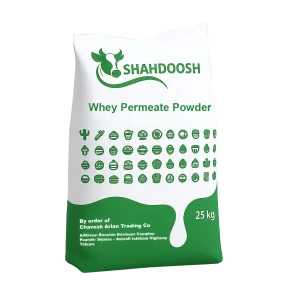
Size / Weight: 25 kg
Brand: Shahdoosh
Shahdoosh Whole Milk Powder (WMP) is a premium-quality dairy ingredient manufactured from fresh, pure cow’s milk using advanced spray-drying technology. Designed to retain all the natural goodness and nutrients of milk, it provides a rich source of milk fat, protein, lactose, and essential vitamins and minerals. Shahdoosh WMP offers excellent functionality, creamy flavor, and versatility across a wide range of food applications, making it a preferred choice for manufacturers who demand consistency, taste, and superior quality.
Show Details
Description
Whole Milk Powder – High-Quality Dairy Ingredient for Global Applications
Whole Milk Powder is produced from fresh, pasteurized full-cream milk using advanced spray-drying technology. This process removes moisture while preserving the natural nutritional value of milk. As a result, the final product offers long shelf life, excellent stability, and consistent quality. Because of its rich taste and creamy texture, Whole Milk Powder is widely used across the food industry. It performs well in beverages, dairy products, confectionery, bakery, and many ready-to-eat formulations.
Protein (SNF) and Fat Composition
Whole Milk Powder contains a minimum of 31% protein (SNF) and fat content ranging from 26% to 42%. This balanced composition makes it a high-energy and nutrient-dense dairy ingredient. The protein supports muscle growth, tissue repair, and overall body strength. At the same time, the natural milk fat provides a rich mouthfeel and enhances flavor. Thanks to this composition, manufacturers use Whole Milk Powder to improve both nutritional value and sensory quality in food products.
Applications in Beverages and Dairy Products
Producers commonly use Whole Milk Powder in chocolate drinks, flavored milk, milk-based beverages, ice cream mixes, and dairy desserts. Since it dissolves easily during processing, it helps create smooth and uniform textures. In addition, its high fat content gives drinks a creamy taste without the need for added oils or fats. This makes it ideal for premium beverage formulations designed for both local and export markets.
Use in Bakery and Confectionery
In bakery and confectionery production, Whole Milk Powder plays a major role in improving texture, taste, and color. Bakers add it to cakes, biscuits, waffles, pastries, and bread to create a soft crumb and golden crust. In chocolate, caramel, and candy manufacturing, the milk fat enhances richness and flavor depth. As a result, products made with this product often achieve higher customer satisfaction and better market performance.
Role in Nutritional and Industrial Foods
Whole Milk Powder is also widely used in nutritional foods, infant food formulations, and industrial food products. Its high protein and fat content make it suitable for energy-rich diets. Manufacturers include it in meal replacements, fortified foods, dry mixes, and ready-to-cook products. Because it is easy to store, transport, and dose accurately, it allows factories to maintain consistent quality in large-scale production.
Nutritional Benefits
Whole Milk Powder delivers essential amino acids, calcium, phosphorus, potassium, and fat-soluble vitamins. These nutrients support bone strength, muscle function, and overall body health. Unlike low-fat dairy powders, this powder provides natural milk fat, which helps with energy supply and the absorption of certain vitamins. This makes it especially suitable for children, athletes, and individuals with higher energy needs.
Production Standards and Quality Control
Manufacturers produce Whole Milk Powder under strict hygiene standards and controlled temperature conditions. Each batch undergoes quality testing to ensure purity, safety, and nutritional accuracy. These controls help guarantee that the final product meets international food safety requirements. Because of this, food producers can confidently use it in both domestic and export-oriented manufacturing.
Conclusion
Whole Milk Powder, with a minimum of 31% protein (SNF) and fat content between 26% and 42%, offers a perfect balance of nutrition, taste, and functionality. Its wide range of uses in beverages, bakery, confectionery, and nutritional foods makes it one of the most versatile dairy ingredients in the global market. With its high energy value, creamy texture, and stable performance, Whole Milk Powder remains an essential choice for manufacturers aiming to produce high-quality and reliable food products.
| Test | Unit | Acceptable | Result |
|---|---|---|---|
| Color | - | Suitable | Suitable |
| Texture | - | Suitable | Suitable |
| Taste | - | Suitable | Suitable |
| Scorched particles | - | Disk A-B | Disk A |
| Ash | % | Max 6 | 5-6 |
| Acidity | % | <17 | 14-15 |
| Moisture | % | Max 5 | <4 |
| Fat | % | 26-42 | 27-29 |
| Lactose | % | Min 38 | 38-40 |
| Protein (SNF) | % | Min 31 | 34-37 |
| Antibiotic | % | Negative | Negative |
| Coliform | Cfu/g | Max 10 | <10 |
| PCA | Cfu/g | Max 50000 | 100 |
| Staphylococcus | Cfu/g | Negative | Negative |
| E.coli | Cfu/g | Negative | Negative |
Description
Whole Milk Powder – High-Quality Dairy Ingredient for Global Applications
Whole Milk Powder is produced from fresh, pasteurized full-cream milk using advanced spray-drying technology. This process removes moisture while preserving the natural nutritional value of milk. As a result, the final product offers long shelf life, excellent stability, and consistent quality. Because of its rich taste and creamy texture, Whole Milk Powder is widely used across the food industry. It performs well in beverages, dairy products, confectionery, bakery, and many ready-to-eat formulations.
Protein (SNF) and Fat Composition
Whole Milk Powder contains a minimum of 31% protein (SNF) and fat content ranging from 26% to 42%. This balanced composition makes it a high-energy and nutrient-dense dairy ingredient. The protein supports muscle growth, tissue repair, and overall body strength. At the same time, the natural milk fat provides a rich mouthfeel and enhances flavor. Thanks to this composition, manufacturers use Whole Milk Powder to improve both nutritional value and sensory quality in food products.
Applications in Beverages and Dairy Products
Producers commonly use Whole Milk Powder in chocolate drinks, flavored milk, milk-based beverages, ice cream mixes, and dairy desserts. Since it dissolves easily during processing, it helps create smooth and uniform textures. In addition, its high fat content gives drinks a creamy taste without the need for added oils or fats. This makes it ideal for premium beverage formulations designed for both local and export markets.
Use in Bakery and Confectionery
In bakery and confectionery production, Whole Milk Powder plays a major role in improving texture, taste, and color. Bakers add it to cakes, biscuits, waffles, pastries, and bread to create a soft crumb and golden crust. In chocolate, caramel, and candy manufacturing, the milk fat enhances richness and flavor depth. As a result, products made with this product often achieve higher customer satisfaction and better market performance.
Role in Nutritional and Industrial Foods
Whole Milk Powder is also widely used in nutritional foods, infant food formulations, and industrial food products. Its high protein and fat content make it suitable for energy-rich diets. Manufacturers include it in meal replacements, fortified foods, dry mixes, and ready-to-cook products. Because it is easy to store, transport, and dose accurately, it allows factories to maintain consistent quality in large-scale production.
Nutritional Benefits
Whole Milk Powder delivers essential amino acids, calcium, phosphorus, potassium, and fat-soluble vitamins. These nutrients support bone strength, muscle function, and overall body health. Unlike low-fat dairy powders, this powder provides natural milk fat, which helps with energy supply and the absorption of certain vitamins. This makes it especially suitable for children, athletes, and individuals with higher energy needs.
Production Standards and Quality Control
Manufacturers produce Whole Milk Powder under strict hygiene standards and controlled temperature conditions. Each batch undergoes quality testing to ensure purity, safety, and nutritional accuracy. These controls help guarantee that the final product meets international food safety requirements. Because of this, food producers can confidently use it in both domestic and export-oriented manufacturing.
Conclusion
Whole Milk Powder, with a minimum of 31% protein (SNF) and fat content between 26% and 42%, offers a perfect balance of nutrition, taste, and functionality. Its wide range of uses in beverages, bakery, confectionery, and nutritional foods makes it one of the most versatile dairy ingredients in the global market. With its high energy value, creamy texture, and stable performance, Whole Milk Powder remains an essential choice for manufacturers aiming to produce high-quality and reliable food products.
| Test | Unit | Acceptable | Result |
|---|---|---|---|
| Color | - | Suitable | Suitable |
| Texture | - | Suitable | Suitable |
| Taste | - | Suitable | Suitable |
| Scorched particles | - | Disk A-B | Disk A |
| Ash | % | Max 6 | 5-6 |
| Acidity | % | <17 | 14-15 |
| Moisture | % | Max 5 | <4 |
| Fat | % | 26-42 | 27-29 |
| Lactose | % | Min 38 | 38-40 |
| Protein (SNF) | % | Min 31 | 34-37 |
| Antibiotic | % | Negative | Negative |
| Coliform | Cfu/g | Max 10 | <10 |
| PCA | Cfu/g | Max 50000 | 100 |
| Staphylococcus | Cfu/g | Negative | Negative |
| E.coli | Cfu/g | Negative | Negative |